
Precision Engineering Catalog
Featured Offshore Infrastructure & Dredging Marine Hoses
Browse our certified heavy-duty elastomeric and composite marine hoses, pipeline floats, and mooring buoys designed for rugged marine deployment and continuous dynamic flexing.

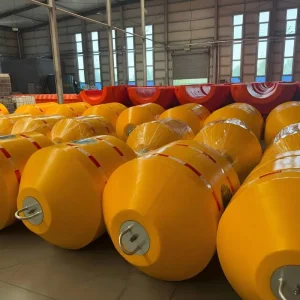
OEM Heavy-Duty Pipeline Float for Stable Floating Pipeline Systems Company, Factory
Explore Specifications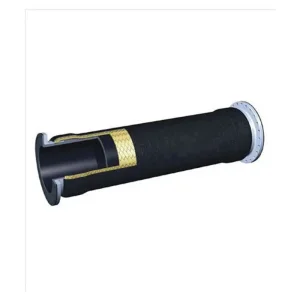
High-Quality Heavy-Duty Rubber Hose for Water and Marine Projects Supplier, Factories
Explore Specifications
Custom Custom Pipe Floats for Floating Pipeline Buoyancy and Water Transfer Systems Product, Quotes
Explore Specifications
ODM Deepwater Pipeline Support Floats – Reliable Subsea Buoyancy Solutions Manufacturer, Companies
Explore Specifications
High-Quality Mooring Buoy for Commercial Berths, Marinas and Offshore Holding Areas Manufacturers, Products
Explore Specifications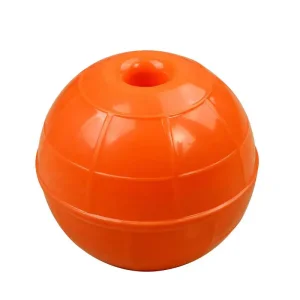
ODM Heavy-Duty ABS Float Ball for Water Engineering Projects Suppliers, Quotes
Explore Specifications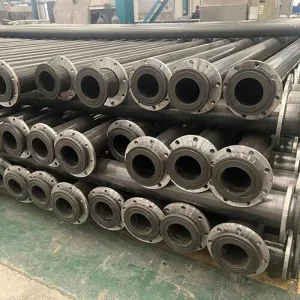
Best Durable Pipeline for Efficient Fluid Transport Supplier, Products
Explore Specifications20+
Years Specialized Manufacturing
80+
Global Export Destinations
100%
Hydrostatic Proof Tested
GMPHOM
2009 / OCIMF Compliant Design
Technical Whitepaper
Structural Architecture of High-Reliability Maritime Hoses
Modern maritime operations require fluid transfer conduits capable of surviving combined hydrostatic pressure, hydrodynamic bending fatigue, vortex-induced vibration (VIV), and hyper-abrasive media.
Inner Liner Elastomer Formulations
The internal fluid barrier is customized according to chemical and abrasive stress profiles. Formulated using specialized synthetic polymers, including high-acrylonitrile Nitrile Butadiene Rubber (NBR) for aromatic hydrocarbon offloading and high-grade Natural Rubber / Polybutadiene blends for sharp slurry tailings. These compounds minimize swell, maintain mechanical elasticity, and prevent premature permeation blistering under cyclical vacuum pressures.
Helical Steel & Textile Reinforcement
To resist cyclic crushing loads caused by breaking waves and mooring tensions, high-tensile steel wire spirals (ranging from 60 to 120 ksi) are interwoven with multi-ply synthetic tire cord plies. Precision CNC multi-angle winding guarantees continuous hoop stress dissipation while maintaining an engineered Minimum Bend Radius (MBR) to prevent structural kinking during dynamic offshore vessel rolling.
Seawater & Ozone Resistant Outer Carcass
The protective outer layer is formulated with specialized Chloroprene (Neoprene) or vulcanized EPDM rubber, engineered with high concentrations of hindered amine light stabilizers (HALS) and antioxidant waxes. This provides complete resistance to ozone cracking, intense UV photo-degradation, marine biofouling penetration, aggressive hydrocarbon splashes, and heavy hull contact scraping.
| Performance Characteristic | Standard Commercial Rubber Hose | Engineered Maritime Slurry Hose | Offshore Single/Double Carcass Oil Hose |
|---|---|---|---|
| International Standard Compliance | ISO 1402 / General Industrial | ISO 28017 / Dredging Class A/B | OCIMF GMPHOM 2009 / API 17K Spec |
| Internal Working Pressure (WP) | 10 bar to 15 bar (145 - 217 PSI) | 15 bar to 30 bar (217 - 435 PSI) | 15 bar to 25 bar with 5:1 Safety Factor |
| Secondary Containment | Non-existent (Single Wall) | Heavy-duty dual structural ply | Double Carcass with Automatic Leak Detection |
| Cyclic Bending Fatigue Resistance | < 50,000 cycles | > 250,000 dynamic cycles | > 500,000 high-amplitude wave cycles |
| Flange Termination Build | Band-clamped or swaged fittings | Fully integrated vulcanized steel nipple | Forged ASME B16.5 / Weldneck Class 150/300 |
Advanced Manufacturing Footprint
China OEM/ODM Industrial Strengths in Maritime Flotation
Located in Shandong's premier maritime industrial hub, Shandong Binzhou Juhua Rubber & Plastic Co., Ltd. integrates automated rotational molding and vulcanization technology to streamline delivery and maximize durability.
Thermal Autoclave Precision
Our computerized vulcanization autoclaves maintain temperature variations within ±1.5°C across 40-foot mandrels, preventing internal density variations and unvulcanized rubber spots.
Integrated Upstream Supply
Direct partnerships with domestic polymer refiners and certified metallurgical steel mills reduce raw material volatility, offering international EPC contractors competitive pricing and shorter lead times.
Rapid Tooling & Prototype Prototyping
In-house CNC mold production and rotational molding tooling allow custom float shells and specialized end-fittings to go from CAD design to physical production in less than 15 working days.
Non-Destructive Testing (NDT)
Every single marine hose undergoes strict factory acceptance testing (FAT): full hydrostatic pressure proofing, vacuum collapse verification, electrical continuity tests, and elongation checks.
Industry Evolution
Macro Trends Shaping the Global Marine Hose Industry
As offshore deepwater extraction expands and environmental regulations tighten, the maritime hose sector is transitioning toward smarter, safer, and lower-emission transfer solutions.
Transition to Green Fuels & LNG Bunkering
Global decarbonization mandates under IMO 2030/2050 are accelerating the adoption of specialized cryogenic and chemical composite marine hoses for ship-to-ship (STS) transfers of Liquefied Natural Gas (LNG), liquid ammonia, and methanol.
Embedded IoT & Predictive Fatigue Sensing
Modern offshore hoses are increasingly integrated with fiber optic strain gauges, pressure sensors, and RFID condition tracking, enabling real-time structural health monitoring and predictive maintenance without taking lines offline.
Zero-Pollution Double-Carcass Systems
Offshore terminal operators now mandate double-carcass designs for Single Point Mooring (SPM) networks. If an internal wall fails, an automated optical or mechanical indicator registers the leak while the secondary carcass safely holds the fluid.
Practical Deployment Matrix
Targeted Industrial Application Scenarios
Marine hoses and floating pipeline networks perform in demanding operational conditions, each requiring distinct pressure, buoyancy, and abrasion profiles.
Harbor Dredging & Navigation Expansion
Installed between trailing suction hopper dredgers (TSHD) and shore pipelines, heavy-duty self-floating and rubber discharge hoses absorb wave rocking while moving abrasive sands and silts.
Offshore CALM Buoy & SPM Terminals
Connected to Catenary Anchor Leg Mooring (CALM) buoys, submarine and floating oil hoses handle high-volume crude oil transfer from VLCC supertankers under deep ocean swell conditions.
Mining Tailings & Slurry Disposal
Equipped with ultra-thick abrasive-resistant liners, these hoses transport mineral tailings, gravel slurries, and acidic process water across tailings dams, preventing leaks into surrounding environments.
Offshore Bunkering & STS Offloading
Flexible STS bunkering hose strings with integrated dry-break breakaway couplings permit safe diesel, heavy fuel oil, and lube replenishment between supply tenders and commercial vessels in open water.
Procurement Engineering
Global Procurement Criteria: Evaluating Total Cost of Ownership
For international EPC contractors, port authorities, and marine engineers, selecting marine hoses requires balancing purchase price against maintenance costs and operational safety.
Lifecycle TCO vs. Upfront Capital Cost
High-quality elastomers and precise vulcanization reduce tear risks, premature stiffening, and unexpected failures, significantly lowering vessel standby fees, unplanned repairs, and downtime costs.
Third-Party Inspection & Mill Test Reports (MTR)
Global operators require full component traceability. We supply complete material testing reports, mill certifications for structural reinforcement wire, and third-party inspection sign-offs from BV, DNV, ABS, or SGS.
Containerization & Export Logistics
Custom packaging cradles, end-flange protection caps, and moisture barriers safeguard hose integrity during ocean transit, ensuring immediate installation readiness upon arrival at international ports.
Industrial Range
Subsea Installation, Slurry Transport & Buoyancy Products
Discover our comprehensive collection of modular pipeline floats, subsea buoyancy blocks, rubber slurries, and high-visibility marine safety pontoons.

OEM Foam-Filled Mooring Buoy for Chain-Connected Berths Product, Companies
Explore Specifications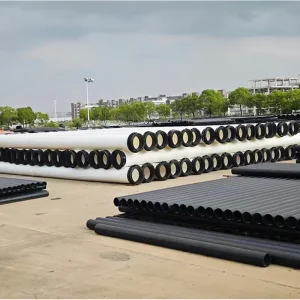
OEM Industrial-Grade Pipeline for Reliable Fluid Transport Companies, Factory
Explore Specifications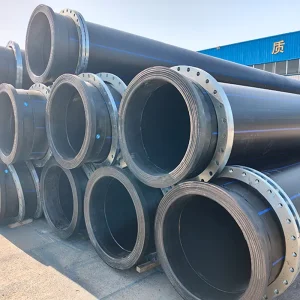
ODM High-Performance Pipeline for Industrial and Municipal Transport Suppliers, Companies
Explore Specifications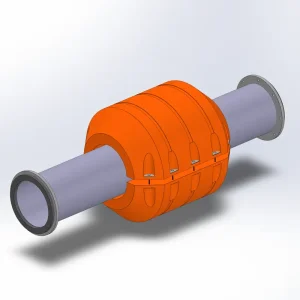
High-Quality Pipeline Float With Modular Buoyancy for Subsea Installation Manufacturers, Manufacturer
Explore Specifications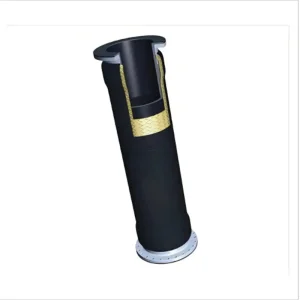
Custom Premium Rubber Hoses for Reliable Water and Slurry Transport Supplier, Products
Explore Specifications
Best Pipe Floats for Stable Water Transfer and Marine Pipeline Support Supplier, Pricelist
Explore Specifications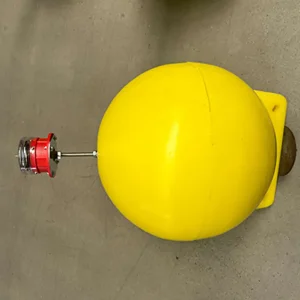
ODM Floating Ball with LED Light – Reliable Marine Navigation and Safety Manufacturer, Pricelist
Explore Specifications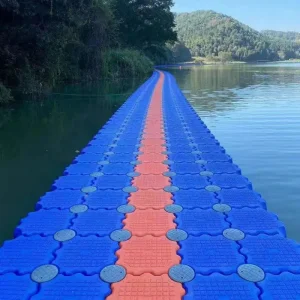
High-Quality Versatile Floating Boat Pontoon for Water Projects Products, Company
Explore Specifications
Technical Knowledge Base
Frequently Asked Maritime Engineering Questions
Clear, engineering-backed answers addressing the design, certification, installation, and field maintenance of high-performance marine hoses and flotation assemblies.
What distinguishes an offshore marine hose from standard industrial rubber hose?
Offshore marine hoses are engineered for severe open-sea dynamic loads, continuous wave fatigue, and extreme weather. They feature vulcanized forged steel flanges integrated directly into the reinforcement structure, multiple high-tensile steel wire helixes to prevent collapse under bending, and outer covers formulated for saltwater, ozone, and UV protection. Critical offshore applications also use double-carcass designs that provide secondary containment if an inner wall fails.
How is buoyancy calculated for floating marine pipelines and slurry discharge lines?
Buoyancy calculations must account for the fully laden working state, not just an empty line. The formula requires: Total Buoyancy ≥ (Weight of steel/rubber pipeline + Weight of high-density conveyed slurry + Weight of flanges and bolts) × Safety Factor (typically 1.25 to 1.40). This keeps roughly 25% to 30% of the pipe diameter above the water line, maintaining clear visibility for navigation and preventing line submersion during dynamic pressure surges.
What quality testing and documentation accompany each export manufacturing batch?
Every production batch includes full material test certificates (MTRs) for raw elastomers, steel cord, and forged nipples. Before dispatch, each hose undergoes hydrostatic pressure proofing (typically 1.5× design WP), vacuum collapse testing, electrical conductivity and continuity checks, and dimensional verification. Buyers can also request witnessed testing and inspection sign-offs from international classification societies such as ABS, DNV, BV, or SGS.
How do rotomolded polyethylene pipe floats compare with traditional steel buoyancy cans?
High-density rotomolded polyethylene (HDPE) floats eliminate the corrosion, rust, and weld failure risks associated with steel cans. Filled with closed-cell polyurethane foam, our PE floats maintain positive buoyancy even if their outer shell is punctured by surface impacts. Weighing roughly one-third of equivalent steel tanks, they simplify installation, reduce crane loading requirements, and provide a 15+ year operational lifespan without repainting.
What parameters are required to generate an engineering quotation for custom marine hoses?
To produce an accurate design and quotation, provide: (1) Inside diameter (ID) and total line length; (2) Transferred medium composition, fluid density, and operating temperatures; (3) Operating, proof, and design surge pressures; (4) Minimum bend radius (MBR) requirements; (5) Flange connection specifications (e.g., ANSI Class 150/300, EN 1092, or custom dredging configurations); and (6) Environmental conditions, including tidal currents, wave heights, and surface water conditions.
What is the standard warranty coverage and expected service life?
Standard commercial warranty coverage extends 18 months from delivery or 12 months from on-site commissioning, covering any material or manufacturing defects. In typical coastal slurry dredging applications, service life ranges from 3 to 7 years depending on abrasive sand concentrations and flow rates. In offshore hydrocarbons operations adhering to OCIMF storage and inspection protocols, service life routinely spans 6 to 10 years.