
Marine Seawater Piping & Flotation Solutions
Precision-molded rotomolded modular shells and heavy-duty pipe protection assemblies engineered for zero galvanic corrosion and severe maritime exposure.

High-Quality Reliable Floating Barriers for Water Safety and Pollution Control
Explore Specification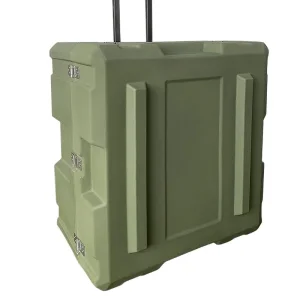
ODM Heavy-Duty Rotomolded Military Airdrop Storage Container Supplier
Explore Specification
ODM Mooring Buoy for Secure Vessel Anchoring & Stable Marine Systems
Explore Specification
Best Heavy-Duty Pipeline Float System for Subsea Installations
Explore Specification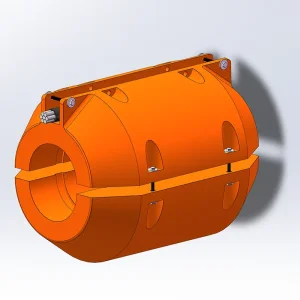
OEM Advanced Cable-Supporting Pipe Floats for Marine Projects
Explore Specification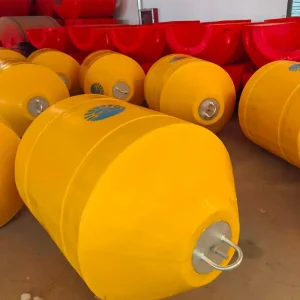
Custom Mooring Buoy for Marinas, Harbors and Offshore Anchorage Systems
Explore Specification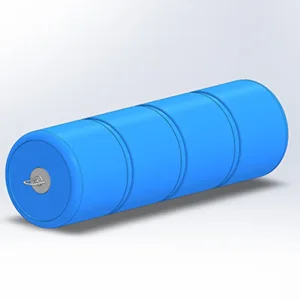
OEM Reliable Floating Barriers for Pollution Control and Water Safety
Explore Specification
High-Quality Advanced Pipeline Float System for Subsea Installations
Explore SpecificationGlobal Seawater Piping & Offshore Infrastructure Outlook
Accelerating coastal urbanization, rising desalination capacities across arid economic hubs, and expanding near-shore dredging require advanced corrosion-resistant fluid transport systems that transcend the high maintenance and oxidation liabilities of legacy carbon steel.
Desalination Intake & Outfall
Modern reverse-osmosis (SWRO) facilities demand intake seawater pipes that resist severe biological fouling, microbiologically influenced corrosion (MIC), and hydrostatic wave forces. High-density polyethylene (HDPE) lines coupled with precision buoyant supports ensure steady flow rates and eliminate galvanic decay completely.
Harbor Capital Dredging
With deeper-draft neo-Panamax vessels, port expansion projects globally necessitate high-throughput hydraulic slurry transfer. Our specialized pipeline floats provide exact hydrodynamic counter-buoyancy, sustaining line alignment under intense crosscurrents and heavy tidal cycles without shell fatigue.
Marine Energy & Cooling Runs
Offshore LNG regasification, coastal nuclear reactors, and hydrogen production plants utilize massive volumes of seawater for thermal exchange. Custom PE pipe assemblies and polyurethane-filled floaters guarantee structural integrity against saline hydraulic pressures and thermal gradients.
Custom Sea Water Pipe & Flotation Module Pricelist (2025–2026)
Indicative project pricing for turnkey seawater discharge pipelines, dredging floaters, and marine buoyancy systems. Pricing adjusts based on raw resin index (HDPE/LLDPE), custom color pigments, integrated cable troughs, and destination port logistics.
| System Model & Diameter | Pipe Outer Dia (OD) | Shell Material / Core | Net Buoyancy Rating | Operational Service Life | Indicative Price (FOB) |
|---|---|---|---|---|---|
| JH-SWP-200 Coastal Outfall Line | 200 mm - 250 mm | Virgin PE + UV-8 / Polyurethane | 220 kg - 280 kg / pair | 15 - 20 Years | $85 – $145 / set |
| JH-SWP-400 Industrial Intake Float | 355 mm - 400 mm | Rotomolded LLDPE / PU Foam | 580 kg - 720 kg / pair | 15 - 20 Years | $190 – $285 / set |
| JH-SWP-600 Heavy Slurry Marine Float | 560 mm - 630 mm | High-Impact PE / Closed-Cell Foam | 1,450 kg - 1,800 kg / pair | 18 - 25 Years | $420 – $610 / set |
| JH-SWP-800 Deepsea Pipeline Assembly | 710 mm - 800 mm | Anti-Stress Crack PE / High-Density Foam | 2,600 kg - 3,200 kg / pair | 20 - 25 Years | $750 – $1,150 / set |
| JH-SWP-1000+ Megaproject Hydraulic Floater | 900 mm - 1200 mm | Multi-Ribbed PE / Crosslinked PU | 4,200 kg - 6,500 kg / pair | 25+ Years | Custom Quote / EPC Contract |
Engineering Estimation Formula: Total Installed Flotation $\ge$ $(W_{\text{pipe}} + W_{\text{medium}} + W_{\text{accessories}}) \times 1.25$ to $1.30$. Slurry density, internal fluid viscosity, and external crest hydrodynamic resistance must be calibrated before sizing the wall thickness and internal bolt torque.
Localized Support & International Standards Assurance
Our engineering operations in Binzhou, Shandong comply with stringent maritime certifications, ensuring that pipeline infrastructure, connection tie-ins, and buoyancy elements withstand extreme salinity, UV solar exposure, and ocean surge without environmental compromise.
ISO 9001 & ISO 14001 Quality Control
Every rotomolded batch undergo extensive wall-thickness gauge tests, electronic multi-point thermal monitoring, and drop-weight impact verification down to -20°C to guarantee zero brittle failure during offshore towing.
ASTM D1693 ESCR Certification
Manufactured with high Environmental Stress-Crack Resistance (ESCR) polyethylene resin compounds exceeding 1,000 hours under condition B test conditions, preventing premature rupture caused by marine chemical exposures.
Maritime Navigation (IALA) Adherence
All marker buoys and surface-floated lines are color-compounded with UV stabilizers complying with international marine signaling requirements, maintaining optical vibrancy across decades of harsh sea exposure.
Mission-Critical Seawater Piping Applications
Engineered for diverse global hydrology—from shallow tidal estuarine rivers to deep-sea brine dispersal platforms.
1. Coastal SWRO Brine Dispersion
Seawater desalination outfall pipes transport hyper-saline concentrate into ocean depths. Floating assemblies hold submerged diffusers precisely off the seafloor to ensure optimal environmental mixing and prevent benthic ecological disruption.
2. Dredge Spoil Marine Discharge
During navigation channel deepening, massive volumes of abrasive silt, gravel, and sea mud pass through discharge lines. Flexible rubber suction hoses with clamped PE floaters absorb wave energy and maintain linear fluid dynamics.
3. Offshore Aquaculture Circulation
Deepwater open-ocean fish farms rely on deep seawater extraction lines to circulate nutrient-rich, cooler water to surface enclosures, stabilized with integrated cable-carrying pipe floats that support electrical and control conduits.
Next-Generation Smart Marine Buoyancy & Piping Roadmap
Pioneering the intersection between rotational molding polymer chemistry and digital maritime monitoring systems for next-century longevity.
Graphene-Reinforced PE Shells
Research into incorporating nano-platelet graphene additives into our rotomolding powder to boost surface scratch hardness, tensile modulus, and flexural fatigue resistance by over 35% without adding excess weight.
IoT Buoyancy & Strain Monitoring
Integration of low-power LoRaWAN-connected strain sensors and inclination telemetry directly into the interior core of tie-in floats, delivering real-time structural health notifications during severe squalls and oceanic storms.
Closed-Loop Marine Polymer Circularity
Developing mechanical disassembly protocols allowing 100% separating of outer PE skins from inner core foam for zero-landfill decommissioning, aligning with rigorous European and global green harbor maritime guidelines.
Frequently Asked Questions: Seawater Piping & Flotation
Authoritative insights from our senior maritime application engineers addressing specification, hydrodynamic calculations, and lifetime maintenance.
What are pipeline floats, and why are they vital in seawater pipelines?
Pipeline floats—also known as dredge floats, pipe jackets, or modular buoyancy units—are dual-half clamp-on hollow bodies manufactured from high-impact polyethylene filled with closed-cell polyurethane foam. They support discharge and suction pipelines afloat on the surface, absorbing shock loads, providing visual channel clearance, and preventing lines from dragging against jagged subsea reefs.
How do engineers accurately calculate the required buoyancy per pipe meter?
The total buoyancy must consistently exceed the combined operating weight of the empty pipe, internal conveyed liquid (calibrated for high seawater or concentrated mineral slurry densities, often 1.25–1.60 kg/L), bolts, flanges, and attached cables. Engineering standards mandate a 20% to 30% reserve buoyancy factor so that roughly one quarter of the pipeline stays visible above the water level.
Why is rotomolded polyethylene superior to welded steel pontoon floats?
Unlike carbon steel which requires cathodic anodes and continuous anti-corrosion recoating to survive marine environments, virgin polyethylene is intrinsically chemically inert, impervious to salt corrosion, completely rustproof, resilient to vessel collisions, and up to 60% lighter, substantially cutting mobilization costs.
What is the standard warranty coverage and operational lifespan?
Our warranty takes effect when the purchaser hands over the equipment to the investor and extends for 18 months post-handover or 12 months after commissioning, whichever comes first. Due to high-grade UV-8 stabilizers and non-hygroscopic polyurethane fillings, the operational lifespan typically exceeds 15 to 20 years in severe coastal conditions.
Specialized Navigation, Pontoon & Pipeline Accessories
Complete maritime system integration—from cable-supporting dredging pipeline floaters to commercial grade navigation beacons and durable sediment hoses.
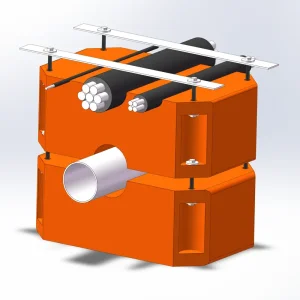
OEM Advanced Modular Pipe Floats with Integrated Cable Channels
Explore Specification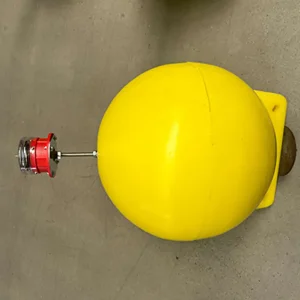
ODM Floating Ball with LED Light – Reliable Marine Navigation and Safety
Explore Specification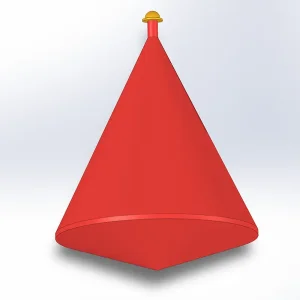
Best Precision Marine Buoys for Safe and Efficient Navigation
Explore Specification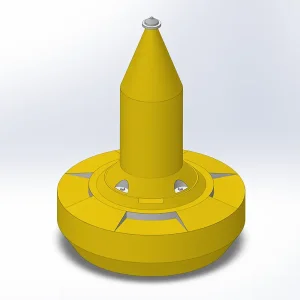
ODM Ocean-Grade Navigation Buoys for Safe Maritime Operations
Explore Specification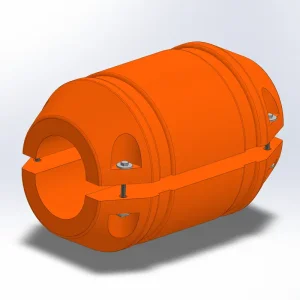
ODM Reliable Pipe Floats for Coastal Dredging & Marine Projects
Explore Specification
ODM Mooring Buoy for Marina Berths & Offshore Mooring Systems
Explore Specification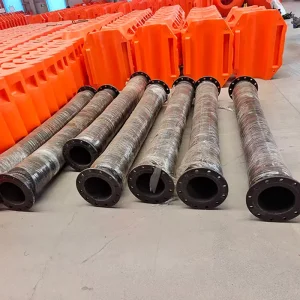
Custom Flexible Rubber Hoses for Fluid and Sediment Transport
Explore Specification
Best High-Performance Floating Boat Pontoon for Modular Water Platforms
Explore SpecificationEngage With Our Engineering Consultation Team
Directly connect with rotational molding technicians, buoyancy calculation specialists, and shipping coordinators. We review project drawings and return calculations within 24 operational hours.
Specification & Drawings Email
Submit CAD profiles, line schematics & slurry metrics:
[email protected]Manufacturing Facility
West Industrial Park, Lizhuang Town, Huimin County, Binzhou City, Shandong Province, China
ISO 9001 Facility Audits Welcome