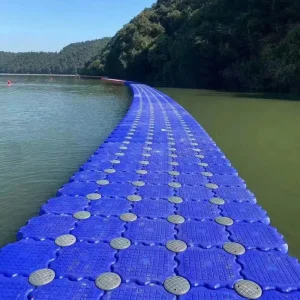
Engineered Floating Buoys & Submerged Infrastructure
Explore our industrial-grade rotomolded navigation markers, mooring anchors, and integrated buoyancy conduits manufactured under rigorous ISO 9001 and maritime safety protocols.
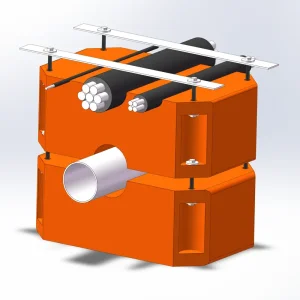
ODM Durable Cable-Integrated Pipe Floats for Submerged Infrastructure
View Product Specs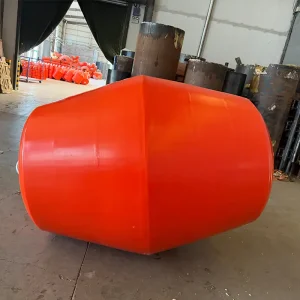
Best Foam-Filled Polyethylene Mooring Buoy for Reliable Marine Anchoring
View Product Specs
Custom Innovative Floating Boat Pontoon for Versatile Water Platforms
View Product Specs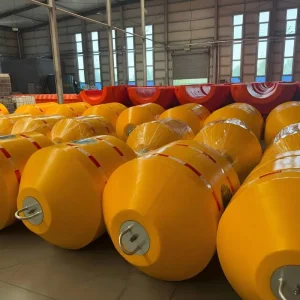
OEM Offshore Mooring Buoy for Safe Vessel Anchoring and Marine Infrastructure
View Product Specs
High-Quality Offshore Polyethylene Mooring Buoy – Safe, Durable and Maintenance-Free
View Product Specs
OEM Advanced Modular Pipe Floats with Integrated Cable Channels
View Product Specs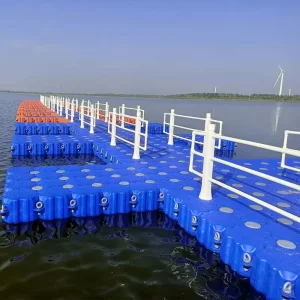
Custom Premium Floating Boat Pontoon for Safe and Stable Water Platforms
View Product Specs
High-Quality Pipeline Float Tie-In – Modular Buoyancy Solution
View Product SpecsIALA Guidelines & Localized Maritime Safety Standards
Marine Aids to Navigation (AtoN) represent the frontline safety barriers in international shipping corridors, commercial harbors, and inland waterways. Meeting global seaworthiness demands uncompromising adherence to strict hydrodynamic, structural, and photometric standards.
IALA System A & System B
Navigational buoys must rigorously conform to the International Association of Marine Aids to Navigation and Lighthouse Authorities (IALA) guidelines. Whether deployed in IALA Region A (Europe, Australia, Africa, parts of Asia) or Region B (Americas, Japan, Korea, Philippines), our manufacturing incorporates strictly calibrated pigmentation.
- Lateral marks with specified CIE color boundaries
- Cardinal, isolated danger, and safe-water marks
- High-visibility optical daylight topmarks
Hydrodynamic Stability & Freeboard
A drifting or capsizing buoy invites catastrophic maritime collision risks. Our engineering calculations evaluate significant wave height (Hs), peak period (Tp), and surface current velocities up to 6 knots, securing dependable optical focal plane elevations under severe tidal shifts.
- Dynamic Metacentric Height (GM) optimization
- Mooring catenary load and deadweight modeling
- Reserve buoyancy thresholds exceeding 150-200%
Environmental & Corrosion Resistance
Traditional painted steel buoys degrade rapidly in warm, high-salinity oceanic environments, demanding recurring sandblasting and toxic anti-fouling coatings. Rotomolded virgin polyethylene provides native biocidal resistance, imperviousness to marine borers, and chemical inertness.
- UV20+ stabilizers resisting 20,000 sun-hours
- Hot-dip galvanized (HDG) / 316L SS internal armature
- Closed-cell EPS/PU marine-grade foam infill
Information Gain: Critical Freeboard & Reserve Buoyancy Formula
When specifying marine navigation aids, procurement teams frequently confuse gross volumetric buoyancy with effective dynamic reserve buoyancy. Our marine engineering department calculates operating equilibrium via:
B_reserve = V_hull × ρ_seawater - (M_shell + M_ballast + M_superstructure + T_mooring_vertical)
A compliant navigational buoy must maintain its rated focal plane height above the waterline with an intact reserve buoyancy margin greater than 35% during continuous 2.5 m/s tidal flow, preventing submerged lantern eclipsing.
China's Manufacturing Hub: The Juhua Flotation Supply Chain Advantage
Sourcing directly from our specialized rotational molding facility in Huimin County, Binzhou, Shandong provides distinct engineering agility, material traceability, and commercial scalability impossible with regional resellers.
Monolithic Rotomolding
Seamless, stress-free polyethylene outer shells created through large-diameter bi-axial rotational ovens with computer-governed heat ramping, eradicating critical weld-seam failure modes.
In-House Tooling & Molds
Dedicated CNC tooling shops engineer rapid aluminum and steel molds tailored to non-standard navigation marks, custom pipe collars, or specific mooring load attachments within days.
Strict Polyurethane Injection
High-pressure hydro-foam foaming ensures 100% voidless infill using water-blown, closed-cell polyurethane that refuses water intake even if the skin suffers accidental vessel collisions.
Coastal Export Logistics
Positioned along the Bohai Rim logistics corridor, direct multi-modal transit to Qingdao and Tianjin ports guarantees competitive ocean freight schedules and reliable container staging worldwide.
| Evaluation Parameter | Rotomolded PE Buoys (Juhua) | Fabricated Steel Buoys | Fiberglass (GRP) Buoys |
|---|---|---|---|
| Corrosion & Rust Resistance | ✓ Absolute (Inert PE Shell) | High Vulnerability (Requires sacrificial anodes) | Good (Resistant, but gelcoat cracks) |
| Impact Kinetic Absorption | ✓ Elastic recovery without denting | Permanent deformation / seam breach | Brittle failure / catastrophic cracking |
| Lifetime Maintenance Costs | ✓ Minimal (No painting required) | Heavy (Recurrent sandblasting/repainting) | Moderate (Gelcoat repairs & blistering) |
| Overall Weight & Deployment | ✓ 40-60% lighter than steel | Heavy (Demands massive crane ships) | Light to moderate |
| Environmental Lifecycle | ✓ 100% Recyclable Polyethylene | Scrap metal / toxic coating waste | Non-recyclable thermoset landfill |
Meeting the Demands of Port Authorities & EPC Contractors
Global procurement teams operating in marine construction, maritime logistics, and offshore energy face multi-tiered operational hazards. Sourcing navigational assets requires stringent vendor qualification matrices.
Total Cost of Ownership (TCO)
Procurement directors increasingly look beyond initial CAPEX. While steel buoys might seem familiar, their ongoing maintenance, recoating, anchor handling tugs (AHTS) vessel charter fees, and dry-docking intervals result in a 300% higher 15-year TCO compared to modular polyethylene buoys.
Third-Party Inspection (TPI)
International tenders demand third-party witnessing. Our Binzhou factory regularly accommodates inspections by SGS, Bureau Veritas, DNV, and ABS, facilitating thorough raw-material tensile testing, drop-weight ballistics, and positive foam adhesion verifications.
Complete Modular Tooling Kits
To eliminate procurement fragmentation, we supply all-inclusive mooring systems: cast-steel modular sinkers, long-link studless anchor chains, high-tensile safety bow shackles, internal counterweights, self-contained solar marine lanterns, and radar reflectors under a single bill of materials.
Technological Frontiers: IoT Smart Buoys & Eco-Centric Maritime Assets
The maritime navigational buoy sector is rapidly pivoting from passive physical floating markers into intelligent, solar-powered data-gathering sentinels that link straight to Vessel Traffic Services (VTS).
IoT Telemetry & AIS AtoN Integration
Modern coastal management leverages Automatic Identification System (AIS) AtoN Transponders (Type 1 and Type 3). Our navigation buoys integrate secure masthead enclosures featuring solar-backed lithium iron phosphate (LiFePO4) power cells, transmitting vital telemetry:
- Real-time geofenced GPS drift alarms to port traffic control
- Lantern health status, battery depth-of-discharge, and solar harvest data
- Integrated hydro-meteorological sensors (current, wind speed, water salinity)
Circular Economy & Low-Carbon Resins
Decarbonization objectives within port infrastructure favor recyclable polymers over energy-intensive smelting. Polyethylene allows complete material reprocessing at end-of-life cycle, ensuring compliance with evolving ESG mandates:
- Virgin resins fully compliant with international marine environmental pacts
- Zero toxic leaching into delicate benthic zones and coral sanctuaries
- Modular multi-segment skins enabling local field section swaps without total scrapping
Localized Scenarios: Purpose-Built Flotation Systems
From shallow silted river channels to tempestuous offshore wind energy lease areas, navigational markers and support buoys must handle localized hydrodynamic variables.
Dredging Fairways & Spoil Zones
Active dredging sites represent dynamic hazard environments. High-visibility navigational buoys work alongside pipe floats and HDPE slurries to safely delineate workboats, submerged cables, and dynamic pipeline corridors from merchant vessel channels.
Offshore Wind Farm perimeters
Offshore substations and array cables require specialized Cardinal and Special Mark buoys equipped with radar reflectors, wave-activated top-lights, and AIS virtual markers to alert commercial fisheries and merchant shipping away from subsea structures.
Aquaculture & Platform Anchoring
Industrial offshore salmon pens and open-ocean seaweed grids demand high-buoyancy mooring floats capable of dampening constant wave surge while keeping tension grids stabilized across cyclical seasonal storms.
Engineering Questions Answered by Flotation Specialists
Direct technical answers addressing mooring catenary formulas, UV stabilization ratings, and production customization parameters.
How are Juhua's marine navigation buoys protected against long-term solar UV degradation?
What is the calculation process for sizing a mooring system under strong current conditions?
Can the navigation buoy float bodies be customized for specific draft restrictions?
What happens if a navigation buoy experiences a high-energy impact with a vessel?
What documentation and quality certifications accompany each production batch?
Offshore Mooring Buoys, Dredging Floats & Subsea Modules
Review our specialized portfolio of durable, low-maintenance flotation assets engineered for challenging harbor expansions, marine dredging pipelines, and deepwater energy tie-ins.
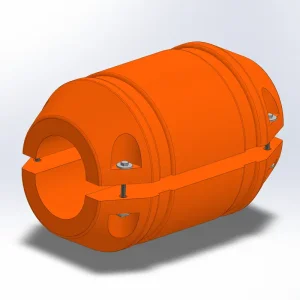
Custom Durable Pipe Floats for Reliable Marine Operations
View Product Specs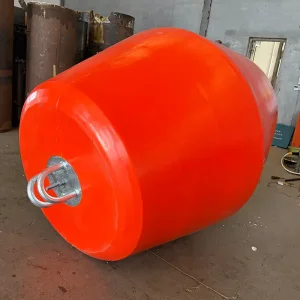
Best Offshore Mooring Buoy for Secure Vessel Anchoring
View Product Specs
ODM Reliable Pipe Floats for Marine Projects
View Product Specs
ODM Polyethylene Mooring Buoy for Harbors and Floating Facilities
View Product Specs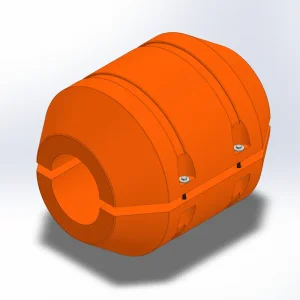
High-Quality Pipe Floats for Floating Pipeline Support & Water Transfer
View Product Specs
Best Modular Subsea Pipeline Float – Reliable Deepwater Support
View Product Specs
High-Quality Mooring Buoy For Aquaculture Grids & Marine Platforms
View Product Specs