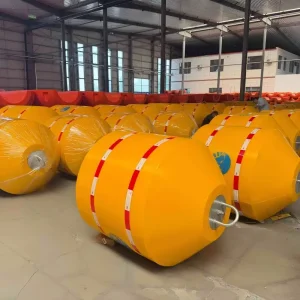
ODM Foam-Filled Mooring Buoy for Marinas and Offshore Anchorages Company, Factories
View Specifications
Explore heavy-duty rotomolded polyethylene mooring systems, dredging pipeline pontoons, and environmental floating safety barriers manufactured to extreme maritime tolerances.
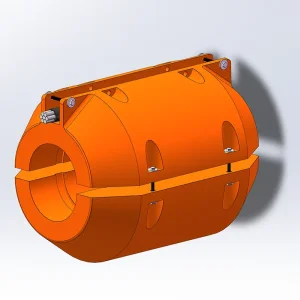
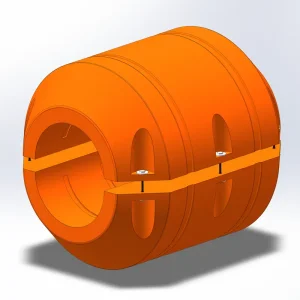
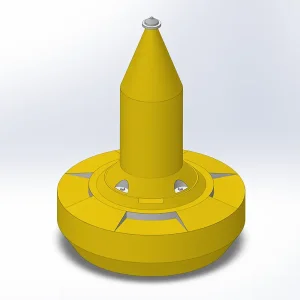
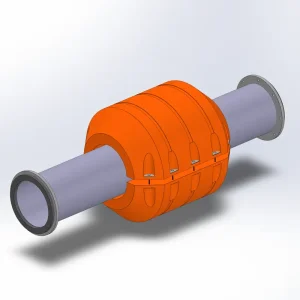
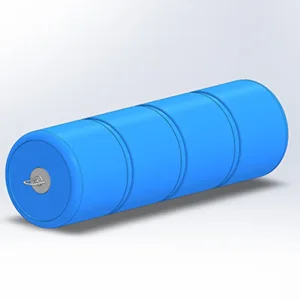
From legacy steel barrels to advanced polymer monocoques: How dynamic load engineering, closed-cell polyurethane cores, and smart sensor telemetry redefine offshore mooring survivability.
Traditional steel mooring buoys suffered catastrophic accelerated corrosion, weld cracking, and severe vessel impact damage. The global transition toward virgin LLDPE skin polymer housings filled with 35–45 kg/m³ closed-cell hydrophobic polyurethane foam eliminates rust, drastically reduces hull damage on contact, and offers complete chemical inertness in high-salinity waters.
Modern mega-ports require telemetry. High-end mooring buoys integrate real-time tension load cells, dynamic GPS geofencing, multi-spectral AIS AtoN (Aids to Navigation) transmitters, and environmental acoustic monitors. Powered by marine-grade solar arrays, modern buoys feed data into harbor management SCADA platforms to detect mooring dragging before critical failure occurs.
Structural reliability has progressed beyond superficial eyes. Current mooring products feature certified central hawse pipes, welded load cores (Grade U2/U3 anchor chain compatibility), and quick-release swivels capable of enduring cyclonic surge forces. Modular polyurethane central collars ensure tensile loads transfer cleanly to subsea anchor systems without stressing the buoyant body.
How maritime operators, deep-sea mining consortia, LNG terminal developers, and offshore wind EPC contractors evaluate procurement risk, structural redundancy, and capital life cycles.
Global procurement specialists are shifting away from lower initial purchase prices in favor of operational lifespan. Steel buoys demand dry-dock sandblasting, recoating, and sacrificial anode replacements every 36 months. High-density polyethylene rotomolded buoys provide an expected operational lifetime exceeding 15–20 years with zero hull repainting, yielding an estimated 54% reduction in lifecycle maintenance OPEX.
Enterprise tenders demand strict regulatory compliance. Buoy manufacturing plants must satisfy IALA (International Association of Marine Aids to Navigation and Lighthouse Authorities) design guidelines, ISO 9001:2015 quality frameworks, and classification society certifications (such as DNV-GL, BV, or ABS) verifying material tensile strength, UV stabilization class (UV8 to UV20), and foam water absorption characteristics under hydrostatic head.
The acceleration of floating offshore wind (FOW) platforms and offshore carbon capture/green hydrogen bunkering hubs has created unprecedented demand for heavy mooring buoys. These units serve as critical pick-up stations, anchor tensioning interfaces, and subsea umbilical cable relief floats designed to survive harsh 100-year storm wave profiles.
| Performance Characteristic | Rotomolded Virgin PE Mooring Buoys | Conventional Welded Steel Buoys | Elastomeric Foam-Skin Buoys |
|---|---|---|---|
| Corrosion Resistance | Complete Immunity (Non-corrosive) | Requires regular cathodic protection & paint | Resistant; metal core requires sealing |
| Impact Absorption | High elastic recovery; eliminates vessel hull scraping | Causes rigid structural and paint damage | Excellent cushioning; outer skin tear vulnerability |
| Maintenance Cycle | Minimal (Inspection of through-hardware only) | Mandatory drydock sandblasting every 3–4 years | Periodic skin integrity checks |
| Weight to Buoyancy Ratio | Superior (Lightweight body maximizes reserve buoyancy) | Heavy (High steel deadweight reduces payload) | Moderate to High performance |
| Environmental Footprint | 100% Recyclable PE skin; non-toxic closed-cell core | Heavy anti-fouling paint shedding and leaching | Difficult composite recycling process |
Inside the automated rotational molding ecosystems of Shandong Binzhou: Scaled production, computerized thermal telemetry, and end-to-end integration from polymers to marine hardware.
Traditional rotational molding frequently suffered from inconsistent wall thicknesses due to manual heat fluctuations. In China's modern coastal manufacturing hubs like Juhua in Binzhou, Shandong, facilities deploy multi-arm, variable-frequency shuttle machines equipped with real-time electronic pyrometers. This ensures that every centimeter of the mooring buoy's shell maintains guaranteed design thickness, with thickened internal corners and reinforced tension rings where stress concentrations peak during heavy tidal currents.
Even centrifugal polymer distribution eliminates localized micro-voids and weak seam lines.
In-situ injection of high-density PU closed-cell foam ensures that even in the event of an exterior shell rupture, net water absorption remains under 1% by volume.
China's maritime manufacturing corridor provides immediate geographical access to raw virgin polyethylenes, automated steel fabrication shops for central tension rods, hot-dip galvanization facilities, and specialized port shipping facilities. This tight geographic integration protects global contractors from upstream component delays, enabling multi-hundred unit buoy orders to be manufactured, inspected, packed, and loaded onto ocean container ships within tightly managed lead times.
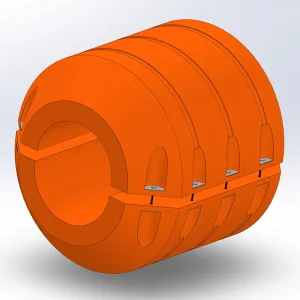
Molds are machined with tight engineering tolerances so clamp halves, hawse pipe sleeves, and replacement pads fit existing deployed infrastructure seamlessly.
Direct logistical corridors to Qingdao and Tianjin shipping hubs dramatically lower inland transport costs and lead-time risks.
Specific dynamic challenges and installation configurations for harbor basins, offshore anchorages, pipeline outfalls, and environmental containment perimeters.
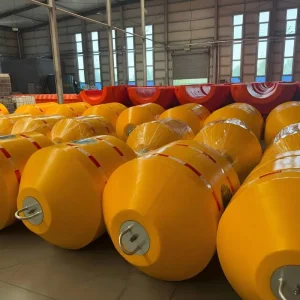
Used for temporary vessel waiting zones, cargo lightering, and offshore tugboat tie-ups. Equipped with central through-chain shafts and shock-absorbing polyurethane outer bumpers to protect both ship hulls and port assets during heavy surge conditions.
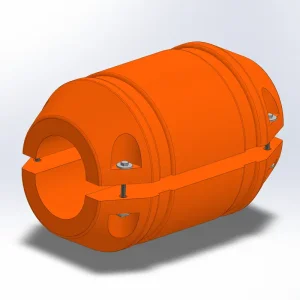
Critical buoyancy modules keep heavy-gauge steel and HDPE sand discharge pipelines afloat between cutter suction dredgers and reclamation shores. Precise internal diameters prevent axial pipeline slippage in rolling swells.
Configured as continuous linked safety barriers and floating trash booms. They prevent debris, floating logs, and surface silt from entering hydroelectric power intake turbines, withstanding seasonal flooding surges.
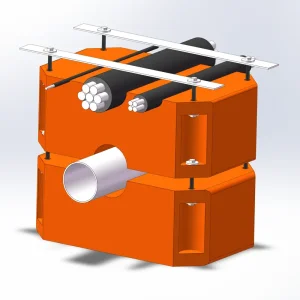
Specialized pipeline floats and cable-trough modules protect power transmission cables, chemical dosing hoses, and deep-sea tie-in joints from seabed abrasion, excess bend radiuses, and dynamic ocean bottom friction.
Reliable offshore deployment demands calculations based on extreme working parameters rather than calm-water deadweights.
To guarantee long-term stability during heavy wave crests and prevent pipeline or buoy submersion when pumping heavy slurries, marine engineers apply the following core formula:
Direct answers from our senior engineering team addressing common technical, operational, and procurement queries.
Heavy-duty marine pipe floats, marina mooring buoys, multi-purpose pontoons, and cable protection systems engineered for long-term ocean operations.