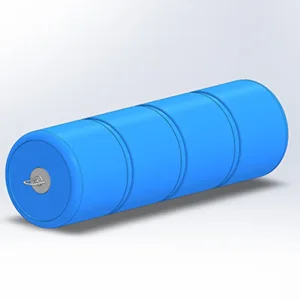
Primary Modular Fleet
Engineered Cable Floats & Heavy-Duty Offshore Systems
Pre-sized buoyant containment systems for power feeds, communication conduits, and floating dredging pipelines.
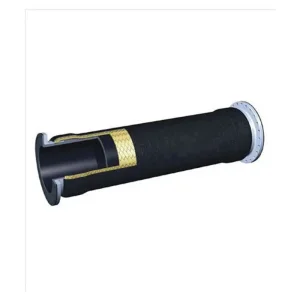
High-Quality Heavy-Duty Rubber Hose for Water and Marine Projects
View Specifications
Best Polyethylene Mooring Buoy – Reliable Floating Solutions for Offshore
View Specifications
Best Precision Marine Buoys for Safe and Efficient Waterway Navigation
View Specifications
Custom Pipeline Float For Subsea Tie-In And Controlled Positioning
View Specifications
Custom Mooring Buoy for Marinas, Harbors and Offshore Anchorage Systems
View Specifications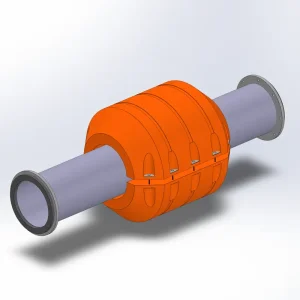
ODM High-Performance Floats for High-Dynamic Marine Pipeline Operations
View Specifications
ODM Heavy-Duty Marine Buoys for Reliable Navigation & Offshore Safety
View Specifications20+
Years Rotational Molding Mastery
80+
Global Jurisdictions Supplied
1,000 m²
Dedicated Molding Floor Space
100%
Virgin UV-Resistant PE Matrix
Engineering Deep Dive
ODM Cable Floats: Resolving Dynamic Wave Forces and Cable Fatigue
Offshore electrical power transmission and nearshore dredging automation demand continuous cable survivability. Unprotected marine power lines, fiber-optic umbilical conduits, and high-voltage supply lines face severe cyclic fatigue, hydrodynamic shear strain, and saltwater deterioration without engineered float systems.
Specialized Subsea Cable Trough Integration
Unlike generic cylindrical pipe pontoons, Juhua’s custom ODM cable floats feature dedicated structural grooves molded directly into the buoyant shell perimeter. These conduits clamp power cables securely along dredging or discharge pipes, eliminating dynamic entanglement, chafe wear, and wave slap while maintaining bend radius safety above marine fatigue limits.
Rotomolded Polyethylene Monolithic Casing
Using computerized, variable-frequency speed controls and electronic automated thermal sensors during rotational molding, our PE float shells maintain uniform wall thickness (up to 16mm). This prevents thinning at structural radii, delivering remarkable puncture resistance against floating sea flotsam, vessel impacts, and rocky surf beds.
Closed-Cell Polyurethane Foam Core Injection
Every buoyant chamber is injected with hydro-insulative, high-density closed-cell polyurethane (PU) foam. Even in the extreme event of outer skin breach caused by sharp propeller strikes or workboat collision, our cable floats retain 95%+ net reserve buoyancy, completely preventing pipeline submersion and project downtime.
Manufacturing Engine
Chinese Manufacturing Hub: Precision Tooling & Cost Rationalization
Direct from our Binzhou, Shandong production center to deepwater projects globally.
Rapid CNC Tooling & ODM Prototyping
Leveraging our domestic polymer supply integration, Juhua rapidly cuts custom cast aluminum and sheet-steel molds for unique umbilical conduits or non-standard dredge pipes (OD 110mm up to 1200mm+). We transition from 3D parametric CAD simulation to pilot molding runs in as few as 14 business days.
Supply Chain Cluster Integration
Operating out of Shandong Province places our facility adjacent to the world's most dense petrochemical resin refining facilities and marine-grade stainless hardware fabrication centers. Fastening components (A4/316 stainless bolts, heavy washers, anti-slack nuts) are packaged direct from source, lowering raw acquisition overhead.
Economies of Scale for Gigawatt-Tier Projects
High-output carousel rotomolding cells run continuous 24/7 cycles. Whether providing 50 bespoke cable clamp floats for harbor shore-power or 5,000 pipeline floats for offshore reclamation arrays, our delivery cycle reduces capital outlay by 30-40% compared to Western European or American manufacturers.
Technical Specification & Sizing Rule
Engineering Buoyancy Calculation for Mixed Pipeline-Cable Arrays
Why field float failures occur: Underestimating hydrodynamic drag, tidal loading, and slurry-mix density.
Engineering Best Practice
Never Calculate For Dry Weight Alone
A common failure mode in marine cable support lies in sizing buoyancy units based on empty pipe and cable weight. The operational system carries concentrated slurry or water, cable weight, marine fouling encrustation, and water currents pulling downwards.
Buoyancy Net ≥ (W_pipe + W_slurry + W_cable + W_hardware) × (1.25 to 1.35)
A target of 25% to 30% pipeline reserve freeboard prevents destructive sub-surface plunging under heavy swell and preserves electrical conduit isolation from submerged marine floor hazards.
- Calculated for heavy slurry density (SG 1.3 - 1.8), not freshwater baseline.
- Conduit troughs isolate electrical current from mechanical pipe friction.
- Interchangeable half-shell symmetry guarantees quick offshore retrofitting.
- UV-8 (ASTM D2565) anti-degradation additive rating for 15+ years sun exposure.
Application Horizons
Localized Applications & Global Compliance Frameworks
Certified operational compatibility across critical offshore and nearshore environments.
Offshore Floating Solar (FPV) & Grid Tie-In
In Southeast Asia and Europe, expanding mega-watt floating solar farms require subsea cable pontoons to transport high-voltage inverted power back ashore. Juhua's floats maintain buoyancy along dynamic mooring arrays, preventing underwater cable scraping on reservoir floor anchors.
Electrified Cutter Suction Dredgers (CSD)
Modern port maintenance mandates zero diesel harbor emissions. High-voltage 6.6kV or 10kV power cables now run out from quaysides directly to electric dredgers. Our integrated pipe-and-cable floats route primary power lines simultaneously alongside massive discharge lines, eliminating secondary float lines.
International Marine Standards Adherence
Engineered to conform with ISO 9001:2015 manufacturing controls and environmental safety regulations. Polymer shells undergo raw material batch certification confirming zero toxic leachate into marine reserves, fully meeting stringent EU REACH and US EPA water protection benchmarks.
Industry Outlook
Emerging Trends: Smart Floats & Circular Polymers
How the next generation of marine cable flotation addresses durability and lifecycle decarbonization.
IoT-Enabled Subsea Cable Health Tracking
Float units are increasingly engineered with embedded recesses to house micro-sensor telemetry modules. These measure cable surface temperature, bend radius stress spikes, and high-frequency wave acceleration in real-time, beaming data back to harbor masters before fatigue cracking manifests.
Bio-Based & High-Recyclability PE Shells
Decarbonization is prioritizing circular plastics. Juhua's development lines test food-grade, mechanically recyclable polymers that deliver identical stress-crack resistance (ESCR > 1,000 hours ASTM D1693) while offering a certified closed-loop reclaim channel when projects decommission after 15 years.
Modularity for Multi-Diameter Umbilicals
Instead of single-size channels, upcoming ODM molds introduce snap-in elastomeric inserts. This allows contractors to support varying cable gauges (from 25mm fiber optic cords to 95mm armored 3-phase feeds) on the same standardized float backbone, cutting inventory overhead for regional contractors.
Direct Engineer Guidance
Frequently Asked Technical & Procurement Questions
Detailed design, delivery, and sizing considerations for dredging and offshore engineers.
What are pipeline cable floats, and how do they function on marine operations?
Pipeline floats with cable troughs, also designated as umbilical buoyancy modules, are clamp-on rotationally molded polyethylene bodies. Fitted securely around discharge pipes or deployed as standalone floats, they integrate dedicated lateral channels to cradle electrical power or fiber-optic control lines, keeping cables isolated from abrasion, excessive bend strain, and direct seabed wear.
How do you accurately calculate the quantity and sizing of floats needed?
Float buoyancy must exceed the aggregate wet weight of the pipeline, internal slurry, power cables, and mounting fasteners by 20% to 30%. Sizing uses the equation: Total Buoyancy ≥ (Weight of pipe + Weight of conveyed medium + Cable + Accessories) × 1.25. This ensures roughly 25% of the float diameter sits cleanly above the waterline, safeguarding the system from unexpected surge loading.
Are rotomolded polyethylene floats safe against long-term seawater corrosion?
Yes. Virgin Linear Low-Density Polyethylene (LLDPE) is chemically inert and completely immune to saltwater oxidation, cathodic delamination, marine biological bore attack, and chemical solvents. Unlike steel floats, PE units never corrode or require recoating, reducing lifetime maintenance overhead to near zero.
What is the standard warranty coverage and operational lifespan?
The formal warranty starts when the buyer completes project handover and terminates 18 months from delivery or 12 months from on-water installation, whichever milestone occurs first. In actual field conditions, our UV8-stabilized PE shells regularly surpass 10 to 15 years of uninterrupted marine duty.
What operational parameters are required for an accurate custom ODM quotation?
Please share the pipe outer diameter (OD), pipe wall thickness and material, outer diameter and weight of the electrical/umbilical cable, conveyed material slurry density, deployment environment (inland river, protected port, or offshore swell), required safety reserve, target volume, and destination seaport.
Can custom colors, corporate markings, and trough geometries be integrated?
Yes. Float half-shells can be compounded in high-visibility safety orange, warning yellow, or standard maritime channel red. We cast custom molds to match specific umbilical cable geometries and incorporate molded identification marks or high-intensity reflective badges per contract specs.
Industrial Pipeline & Barrier Portfolio
Engineered Floating Support, Subsea Positioning & Barrier Lines
Complete project sourcing: Heavy-duty pipelines, moorings, and pollution control modules.

OEM Pipe Floats For Reservoir Intake And Temporary Bypass Lines
View Specifications
High-Quality Pipe Floats for Floating Pipeline Support and Water Transfer
View Specifications
Custom Pipe Floats for Stable Pipeline Support and Floating Systems
View Specifications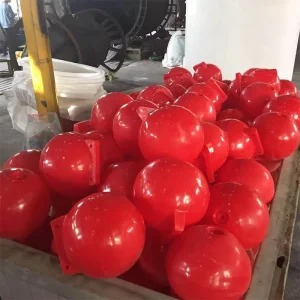
Best PE Float Ball – Durable Buoyancy Solution for Water Projects
View Specifications
Best Modular Subsea Pipeline Float – Reliable Deepwater Support
View Specifications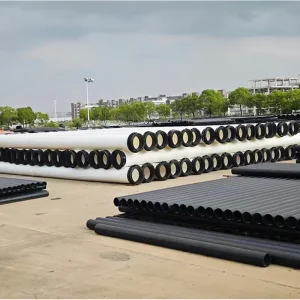
OEM Industrial-Grade Pipeline for Reliable Fluid Transport Operations
View Specifications
Custom Pipe Floats for Long-Distance Floating Pipelines and Water Transfer
View Specifications