
Primary Modular Flotation Systems
Pre-engineered hydrodynamic configurations ready for immediate deployment in heavy slurry, dredging, and harsh near-shore mooring operations.
-
Custom Premium Floating Boat Pontoon for Safe and Stable Water Platforms Products, Quotes
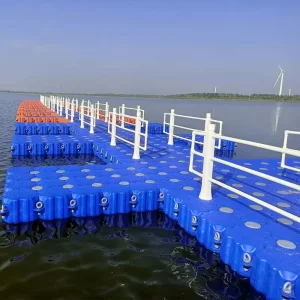
-
Best Heavy-Duty Pipeline for Safe and Efficient Transport Companies, Company
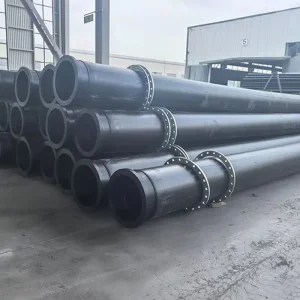
-
High-Quality Offshore Polyethylene Mooring Buoy – Safe, Durable and Maintenance-Free Floating Mooring System Companies, Factories

-
High-Quality Mooring Buoy For Aquaculture Grids And Floating Marine Platforms Pricelist, Factories
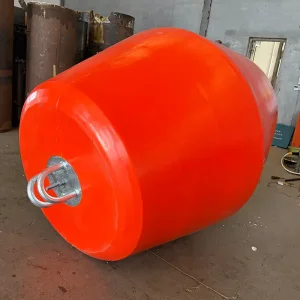
-
Custom Floating Barrier Systems for Effective Water Safety and Pollution Control Product, Factories
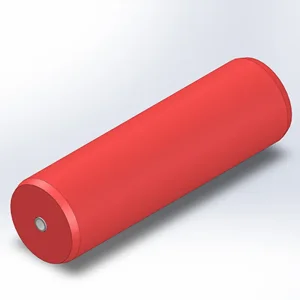
-
High-Quality Durable Floats for Safe and Efficient Pipeline Support Manufacturers, Products

-
Custom Pipe Floats for Long-Distance Floating Pipelines and Water Transfer Systems Quotes, Pricelist
-
Custom Custom Pipe Floats for Floating Water Pipeline and Marine Support Projects Suppliers, Manufacturers

The Global Commercial & Industrial Landscape for High-Performance Floats
Escalating hydraulic infrastructure investments, offshore energy expansions, and environmental tailings compliance dictate modern flotation metrics.
Geopolitical Port Upgrades
Global shipping throughput necessitates larger draft navigation. Deepening fairways demands capital dredging operations across Asia, Europe, and the Middle East where high-buoyancy, wear-resistant pipe modules must sustain non-stop discharge across miles of open coastal waters.
Stringent Mine Tailings Mandates
Global regulatory bodies require continuous tailings disposal optimization. Conventional steel pontoons succumb rapidly to chemical slurry erosion and electrolytic pitting. High-density polyethylene (HDPE) shells have become mandatory across Australia, Africa, and the Americas.
Offshore Desalination & Renewable Tie-Ins
Hyper-saline discharge conduits and offshore wind power cabling necessitate dedicated umbilical flotation. Contemporary assemblies require integrated utility troughs capable of cradling electrical and hydraulic conduits safely above turbulent ocean currents.
China Factory 4.0: Resilient Engineering & High-Throughput Value
Combining state-of-the-art rotational molding kinematics with algorithmic thermal control to secure continuous supply stability worldwide.
Variable-Frequency Kinetics
Modern rotational molding ovens leverage multi-axis variable-frequency speed controls. Dynamic biaxial rotation distributes molten linear low-density polyethylene (LLDPE) homogenously over CNC-machined steel tooling, negating structural thin spots.
Infrared Pyrometric Tracking
Real-time pyrometric sensors measure inside-mold air temperatures during sintering. This eliminates material under-cure (brittleness) and over-cure (oxidation), ensuring cross-link density matches certified shore hardness parameters.
Closed-Cell Polyurethane Injection
Core cavities are pressurized with hydrophobic rigid polyurethane foam (density 35–45 kg/m³). In the event of catastrophic shell puncture from marine debris collisions, zero water ingress occurs, preserving 98%+ nominal buoyancy reserve.
Tooling Interchangeability
Precision-milled mold splits deliver micro-level dimensional fidelity. Flange split bolts, anti-slip internal ribbings, and locating pins align perfectly across subsequent batches, ensuring replacement units match operating pipelines without field modification.
Buoyancy Sizing Architecture
A major systemic pitfall in marine engineering is calculating displacement based on empty piping. Floats must support maximum dynamic operational weight, incorporating heavy sediment suspensions and marine fouling reserves.
• Maintain 25% to 30% pipeline draft above waterline
• Calculate using specific slurry density (γ ≥ 1.3-1.8 t/m³)
• Integrate tidal surges, wave slam & drag forces
Localized Application Scenarios & Tailored Configurations
Engineered to adapt dynamically to diverse aquatic environments, extreme salinity variations, and heavy mechanical shear stresses.
Capital Port & Harbor Deepening
Heavy maritime traffic zones require high-visibility pigmentation (fluorescent orange/yellow conformant to IALA guidelines). Modules integrate recessed bolt pockets to eliminate protruding hardware that could snag on passing tugs, support catamarans, or anchor lines.
Tailings Dewatering & Acid Leach Ponds
Aggressive slurry containing quartz fractions and chemical flocculants quickly erodes conventional components. Virgin UV-stabilized LLDPE provides chemical inertness against pH fluctuations from 2.0 to 12.0, delivering decades of continuous pond deployment.
Freshwater Dam Intakes & Silt Curtains
Hydroelectric intakes demand debris control and precise silt curtain suspension. Our floating barrier systems utilize interlocking swivel chains to dissipate kinetic wave shock while intercepting aquatic weeds and floating debris without restricting water discharge.
Global EPC Procurement Verification & Quality Governance
Ensuring complete chain-of-custody compliance from virgin resin procurement down to destructive hydro-pressure testing.
Certifications & Traceability
Every production run is documented with a dedicated heat-lot certificate verifying UV stabilization to ASTM G154 cycles, melt flow index (MFI), and tensile yield strength conforming to ISO 527. Full material pedigree protects project assets against early breakdown.
Impact & Environmental Stress Cracking
Factory laboratory testing mandates full ESCR (Environmental Stress-Crack Resistance) compliance exceeding 1,000 hours under ASTM D1693 condition B (10% Igepal solution at 50°C), assuring zero fracture propagation in high-saline operations.
Turnkey Hardware Integration
Floats are supplied with customized hot-dip galvanized (HDG) or marine-grade stainless steel (AISI 316) fastener arrays, nylon-insert locknuts, and high-durability rubber friction pads that prevent slippage along flexible HDPE and steel pipeline bodies.
Heavy-Duty Pipeline & Deepwater Deployment Solutions
Specialized flotation modules, umbilical tie-in modules, and oceanographic navigation markers built for rigorous offshore operations.
-
ODM Pipe Floats With Cable Troughs - Reliable Buoyancy and Cable Protection Products, Factory

-
High-Quality Advanced Pipeline Float System for Secure Subsea Installations Supplier, Factories

-
Custom Innovative Floating Boat Pontoon for Versatile Water Platforms Products, Pricelist

-
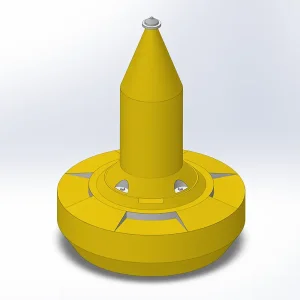
High-Quality Reliable Marine Navigation Buoy for Safe Waterways Manufacturer, Product
-
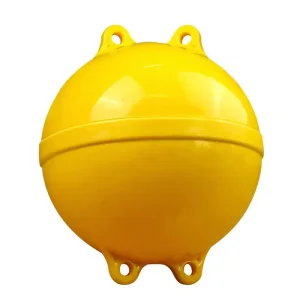
ODM ABS Float Ball for Reliable Marine and Freshwater Buoyancy Manufacturers, Factories
-
Custom Custom Mooring Buoy for Marina Berths and Offshore Supplier, Manufacturer
-
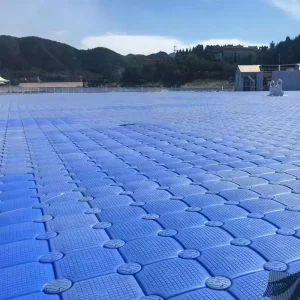
Best High-Performance Floating Boat Pontoon for Modular Water Platforms Company, Factories
-
OEM Innovative Pipeline Float System for Reliable Deepwater Support Companies, Quotes
High-Performance Marine Flotation Technical FAQ
Clear, engineering-grounded answers addressing installation stability, hydrodynamic sizing, warranty protocols, and customization options.