
Featured Flotation Equipment & High-Durability Pipeline Systems
Explore our precision-molded polyethylene marine flotation solutions, pipe support modules, heavy-duty dredge discharge hoses, and mooring devices manufactured to withstand severe open-water hydrodynamic loads.

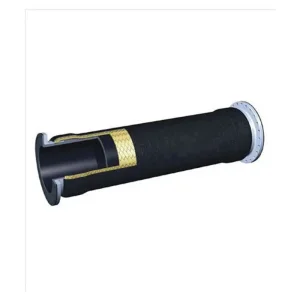

Precision Rotomolded Small Buoys: Industrial Architecture & OEM Expertise
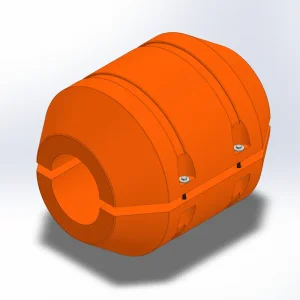
Shandong Binzhou Juhua Rubber & Plastic Co., Ltd. (operating internationally under Juhua / Giant Rubber) stands as a premier Tier-1 OEM/ODM manufacturer specializing in high-integrity, seamless small buoys, marine navigation aids, mooring floats, and Dredging pipe floats engineered for extreme oceanic and hydraulic conditions.
Hydrodynamic Integrity & Advanced Rotational Moulding Protocol
Small marine buoys operate under aggressive sea conditions, experiencing relentless UV irradiation, saltwater chemical oxidation, cyclic hydrodynamic pounding, and accidental ship impacts. Unlike conventional blow-molded or welded hollow shells that crack along stress seams, Juhua manufactures small buoys utilizing multi-axis computer-controlled rotational molding (rotomolding). Our production infrastructure leverages variable-frequency speed regulation, automated electronic furnace pyrometry, and virgin UV20+ stabilized linear low-density polyethylene (LLDPE) / cross-linked high-density polyethylene (XLPE) compounds.
Reserve Net Positive Buoyancy (Rb) ≥ (Wbuoy + Wtackle + Wpayload) × 1.30 to 1.50
Internal buoyancy stability is guaranteed by high-pressure, closed-cell polyurethane (PU) or expanded polystyrene (EPS) core foaming (density 35–45 kg/m³). In the event of catastrophic shell puncture from collisions, the hydrophobic, non-interconnecting closed-cell foam architecture prevents water ingress, preserving over 95% of native buoyancy.
| Engineering Attribute | Standard Commercial Small Buoy | Juhua Industrial OEM Small Buoy System | Validation Protocol / Method |
|---|---|---|---|
| Polymer Matrix | Recycled PE / Thin HDPE | 100% Virgin LLDPE / HDPE with UV20+ Stabilizer | ASTM D1603 / ISO 4892-2 Xenon Arc |
| Shell Wall Consistency | ±25% fluctuation, high thermal shrinkage | Strict ±5% uniformity via digital IR thermal monitoring | Ultrasonic Wall Thickness Gauge NDT |
| Internal Core Filling | Hollow Air or Loose EPS beads | Pressurized In-Situ Closed-Cell Polyurethane (PU) Foam | ASTM D1622 (38-42 kg/m³ Water Proofing) |
| Mooring Hardware | Standard Carbon Steel Eye-Bolts | Hot-Dip Galvanized / Marine 316 Stainless Central Core Tie-Rod | Tensile Proof Load Testing (ISO 1461) |
| Color Fastness (IALA) | Surface Painted, rapid degradation | Fully Compounded Masterbatch throughout wall matrix | IALA Recommendation E-108 Chromaticity |
Global Sourcing Requirements & Buoyancy Innovation Trends
International EPC contractors, port authorities, offshore renewable ventures, and marine defense operators require rigorous compliance, end-to-end batch traceability, and rapid custom tooling.
Tender Compliance & Batch Traceability
Major maritime infrastructure operators mandate full mill test certificates (MTC), non-destructive testing (NDT), resin density verifications, and traceable serial numbering stamped into each rotomolded small buoy casing.
- Material Melt Flow Index (MFI) Certification
- Destructive Drop Impact Testing at -20°C
- Mooring Pad Eye Load Test Certificates
IALA Chromaticity & Daymark Visibility
Small navigation and channel marking buoys must strictly align with IALA Maritime Buoyage System rules (Regions A & B). Pigments are compounded directly into raw polyethylene powders to prevent surface peeling or fading.
- Red, Green, Yellow, Black, and White IALA Tones
- UV Stability Rating UV20+ (20,000 hrs ASTM G155)
- Retroreflective Marine Sheeting Channels
IoT, Solar & Telemetry Integration
Modern projects require small buoys equipped with smart electronics: self-contained solar LED lanterns, GPS geo-fencing transponders, acoustic wave sensors, water salinity probes, and cellular/satellite IoT modules.
- Molded-in Solar Panel Recesses & Conduit Ducts
- Watertight Sensor Wells (IP68 Protection)
- Anti-Tamper & Anti-Theft Battery Housing
China Factory Supply Chain Strengths & Compliance Assurance
Sourcing OEM small buoys directly from Juhua’s Binzhou manufacturing campus delivers unequaled balance between rapid engineering execution, raw material cost efficiency, and rigorous international maritime certification.
Direct Tooling & Mold Amortization
In-house CNC mold manufacturing (aluminum casting and sheet steel fabrications) slashes OEM tooling lead times from months to 15–20 days. Custom buoy contours, company logos, internal conduits, and ballast recesses are realized with negligible NRE mold expense.
- Fast-track 3D CAD to CNC Mold Cutting
- Negligible Tooling Investment on Volume Runs
- Modular Inserts for Rapid Dimension Customization
Vertical Material Integration
Located in Shandong’s petrochemical manufacturing corridor, Juhua secures direct pipeline access to premium polymer resins, compounding additives, masterbatches, and marine hardware components (hot-dip galvanized chains, swivel shackles, and internal counterweights).
- Stabilized Raw Material Pricing Shield
- One-Stop Rigging: Chains, Shackles & Sinkers
- Matched Polyethylene Pipeline & Hose Assemblies
Localized Compliance & Global Port Access
Our products comply fully with international environmental protocols including REACH, RoHS, and MARPOL (zero leaching of toxic plasticizers). With proximity to major export terminals like Qingdao and Tianjin Port, container stuffing is optimized to cut global shipping costs.
- High Nesting Efficiency for 40ft High Cube Containers
- Eco-Friendly, Non-Toxic Recyclable Polyethylene
- Export Documentation: CoO, Form E, SASO, CE
Localized Operational Scenarios for Small Marine Buoys
From shallow-water inland navigation channels to offshore aquaculture zoning and dredge boundary delineation, discover where Juhua OEM small buoys perform day in and day out.
Inland Rivers & Shallow Fairways
Compact lateral and cardinal marker buoys engineered for restricted river draughts, canal locks, and lake transport corridors. The lightweight hull allows easy handling from small service launches without requiring heavy derrick barges.
Offshore Aquaculture & Sea Farms
Durable tension buoys and boundary delineators configured to withstand high waves and biofouling. Non-toxic food-grade PE shells protect fish stock and kelp rafts while maintaining high buoyancy under seasonal current surges.
Dredging & Construction Corridors
Temporary perimeter warning buoys to demarcate dredge discharge pipelines, submerged cutterhead zones, anchor spreads, and marine construction sites, preventing recreational boat collisions and costly civil liabilities.
Marinas & Private Vessel Moorings
Foam-filled mooring pick-up buoys equipped with heavy-duty through-chain hawse pipes or swiveling steel eyes. Impact-resilient polyethylene prevents gelcoat scratches on luxury yachts and commercial workboats during mooring.
Frequently Asked Questions: OEM Small Buoys Engineering & Sourcing
Find comprehensive technical answers regarding rotomolding manufacturing, sizing formulations, mooring design, and commercial ordering procedures.
Q1 What are small buoys and pipeline floats, and how do they function?
Q2 How do engineers calculate required buoy volume and pipeline float counts?
Q3 Are rotomolded polyethylene small buoys genuinely superior to welded steel in seawater?
Q4 What exact parameters are necessary to receive an accurate OEM quotation and drawing?
Q5 How does Juhua guarantee small buoy quality and what is the standard warranty period?
Q6 Can small buoys and floats be fully customized with bespoke features and OEM branding?
Specialized Subsea Floats, Dredging Barriers & Transport Pipelines
Browse our heavy-duty pipeline floats, floating containment barriers, cable-trough buoyancy units, and wear-resistant dredging slurries configured to strict project specifications.

Trusted by Global Dredging Contractors & Marine Engineering Partners





Headquartered in West Industrial Park, Lizhuang Town, Huimin County, Binzhou City, Shandong Province, China. Worldwide direct export deliveries to ports across Europe, the Americas, Middle East, Southeast Asia, and Africa.