Critical Engineering Factors in Boat Mooring Ball & Marine Flotation Sourcing
A comprehensive analysis of heavy-duty rotational molding, closed-cell EPS core chemistry, and tension-bearing hardware designed for commercial harbors, offshore terminals, and municipal marinas.
Monolithic Shell Integrity
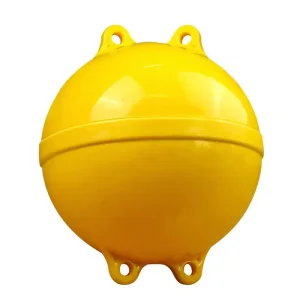
Seamless rotational molding (Rotomolding) eliminates structural seams that cause shear cracking under cyclical wave impact. Formulated with UV8 to UV20 stabilized LLDPE to prevent polymer degradation across extreme oceanic exposures.
Hydrostatic Stability & Buoyancy
Filled internally with dense, closed-cell polyurethane (PU) or expanded polystyrene (EPS) foam. Ensures zero water absorption and unsinkable performance even if external walls undergo accidental ship impact or abrasion.
Hot-Dip Galvanized Load Spindles
Structural mooring balls utilize central pass-through galvanized (HDG) or AISI 316 stainless steel tension rods. Tensile stresses transfer directly through ground tackle systems rather than stressing the buoyancy skin.
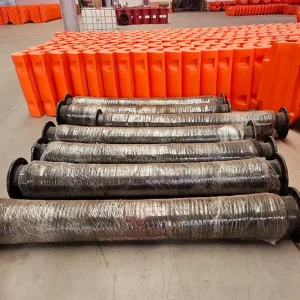
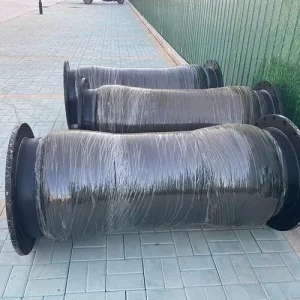
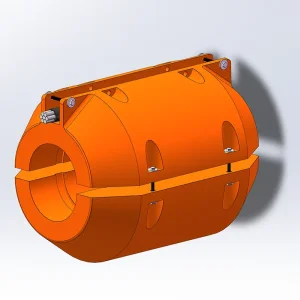
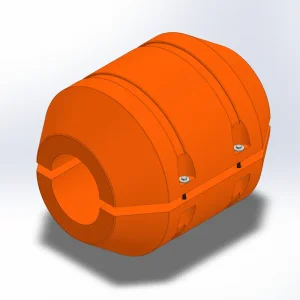
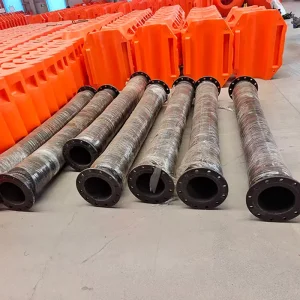
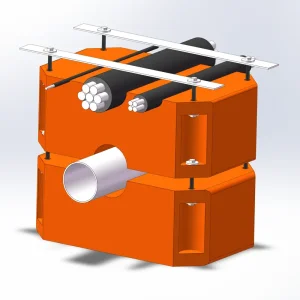
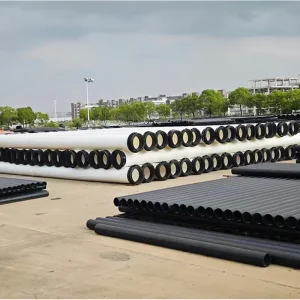
Featured Marine Pipeline Floats & Buoyancy Modules
Certified heavy-duty polymer components engineered for high-throughput dredging, subsea tie-ins, and flexible fluid transfer infrastructure.
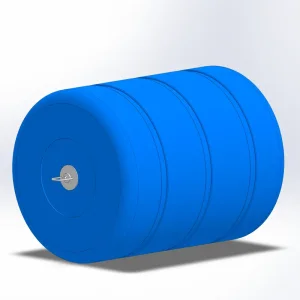

Global Mooring Ball Manufacturer Benchmarking & Pricelist
Estimated OEM/ODM unit costs, material grades, and load ratings comparing premier regional manufacturing leaders against Shandong Binzhou industrial clusters.
| Mooring Ball Type / Dimension | Core Material & Wall | Net Buoyancy (kg) | Working Load (t) | Estimated Unit Price (FOB) | Typical Applications |
|---|---|---|---|---|---|
| Compact Harbor Ball (Ø 400mm) | Rotomolded Virgin PE / 6mm | 32 kg | 1.5 Tons | $28.00 – $45.00 | Skiffs, Personal Watercraft, River Marinas |
| Standard Marine Mooring (Ø 600mm) | UV20 PE + EPS Closed-Cell / 8mm | 105 kg | 3.8 Tons | $65.00 – $98.00 | Commercial Yachts, Sailing Vessels, Inshore Berths |
| Heavy-Duty Commercial (Ø 800mm) | High-Impact PE + Rigid PU / 10mm | 260 kg | 7.5 Tons | $140.00 – $210.00 | Tug Boats, Pilot Vessels, Harbor Perimeter Mooring |
| Deepwater Mooring Buoy (Ø 1200mm) | HDPE Monolith + PU Foam / 12mm | 880 kg | 15.0 Tons | $380.00 – $580.00 | Barge Anchoring, Fish Farm Cages, Navigational Hazard |
| Offshore Terminal Ball (Ø 1800mm+) | Reinforced Shell + HDG Rods / 16mm | 2,800+ kg | 35.0+ Tons | $1,200.00 – $1,850.00 | Offshore Tanker Discharge, Floating Docks, Oil Tie-Ins |
Why Global Port Authorities & Contractors Source from Binzhou, China
Leveraging fully integrated supply corridors, rapid prototype tooling, and multi-axis CNC rotomolding machines to optimize project CAPEX without sacrificing longevity.
Raw Polymer Access
Proximity to first-tier petrochemical refineries ensures uniform resin viscosity, exact melt flow indexes, and strict virgin grade traceability across every casting run.
In-House Mold Engineering
High-precision CNC aluminum tooling allows custom diameter modifications, logo embossments, internal hardware channel alignment, and rapid sampling within 7 to 10 days.
30–45% Cost Efficiency
Automated bi-axial rotational ovens, combined with domestic steel fabrication for hot-dip galvanized hardware, yield unmatched price-to-performance efficiency for bulk tenders.
Seamless Port Logistics
Centrally positioned near Qingdao and Tianjin deepwater ports, simplifying container nesting, bulk dunnage packing, and breakbulk chartering for overseas operations.
Localization Support, IALA Compliance & Engineering Safety
Ensuring full regulatory compliance across North American, European, Middle Eastern, and APAC maritime governance boundaries.
IALA Chromaticity Guidelines
Molded with color pigments that strictly observe International Association of Marine Aids to Navigation and Lighthouse Authorities (IALA) chromatic coordinates for lateral, cardinal, and isolated danger marking.
Environmental & Ecosystem Safety
Non-toxic polyethylene resin compliant with REACH and RoHS standards guarantees that zero heavy metals or plasticizers leach into fragile coral reef ecosystems or drinking water reservoirs.
Load & Tensile Certification
Every mooring ball assembly undergoes rigorous break-load hydraulic pull tests and hydrostatic pressure cycling. Third-party testing certifications (SGS, BV, CCS) are available on demand.
Emerging Industry Trends in Marine Flotation Infrastructure
How technological breakthroughs in telemetry, biopolymer additives, and circular lifecycle design are redefining offshore anchoring assets.
Smart IoT Telemetry Integration
Next-generation mooring balls integrate solar-powered micro-beacons, GPS geofencing, and internal strain sensors to monitor anchor drag and wave forces in real-time via satellite networks.
Ultra-High Molecular Weight Formulations
Transition toward cross-linked polyethylene and nano-composite matrixes delivering up to 300% higher puncture resistance against jagged rocky coastlines and heavy ice floes.
Circular Economy & Recyclability
Adoption of 100% recyclable thermoplastic shells and eco-friendly foaming compounds to enable closed-loop mechanical recycling at the conclusion of their 15- to 20-year service life.
Frequently Asked Questions for Sourcing & Deployment
Clear, engineer-backed insights addressing buoyancy ratios, rigging guidelines, delivery logistics, and material warranties.
How is buoyancy capacity calculated for a commercial mooring ball?
Total buoyancy must exceed the aggregate weight of the mooring chain, bridle hardware, and down-drag tensions created by wind and current loads. An engineering safety reserve of 40% to 50% extra freeboard is recommended to ensure visibility and prevent premature submersion under load.
Are rotomolded polyethylene mooring buoys superior to steel alternatives?
Polyethylene spheres eliminate rust, sandblasting, and periodic anti-fouling paint maintenance. They resist saltwater corrosion and absorb kinetic bumps from watercraft without hull denting or gelcoat damage, substantially slashing ongoing maintenance OPEX.
What is the standard warranty period and expected working lifespan?
Standard OEM warranty extends 18 months from delivery or 12 months from on-water commissioning. In normal operating conditions between -40°C and +60°C, high-grade UV-stabilized PE shells deliver a real-world lifespan exceeding 15 years.
Can internal tension tubes and eyelet hardware be customized?
Yes. Central pass-through structural shafts can be manufactured in Hot-Dip Galvanized carbon steel (Q235/Q355) or marine-grade 316 Stainless Steel, tailored with custom eye-to-eye, hawse pipe, or swivel clevis terminals matching your anchor chain dimensions.
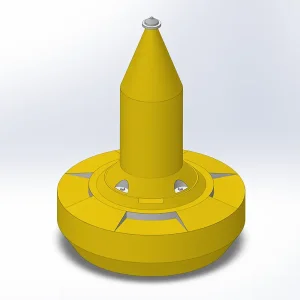
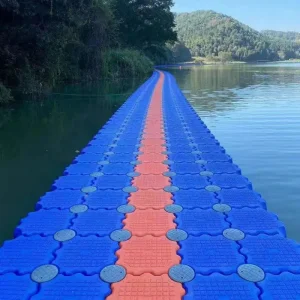
Specialized Offshore Buoys, Modular Pontoons & Pipeline Floats
Explore precision-engineered flotation assets designed for coastal navigation, offshore installations, and extreme sediment extraction.