
Primary Commercial Flotation Line
Explore heavy-duty dredging pipe floats, mooring solutions, and industrial flotation systems designed for high tidal variance and extreme marine stress.
-
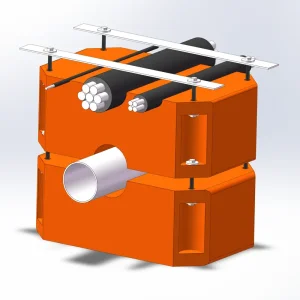 High-Quality Reliable Pipe Floats with Cable Troughs for Efficient Marine and Pipeline Operations Quotes, FactoryView Specifications
-
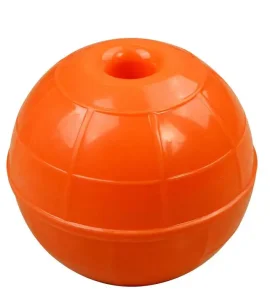 OEM ABS Float Ball – Durable Buoyancy Support for Water Projects Manufacturers, ManufacturerView Specifications
-
 ODM Mooring Buoy for Secure Vessel Anchoring and Stable Marine Mooring Systems Manufacturers, ManufacturerView Specifications
-
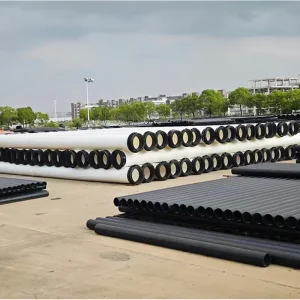 ODM Heavy-Duty Pipeline for Versatile Water and Fluid Transport Product, QuotesView Specifications
-
OEM Industrial-Grade Pipeline for Reliable Fluid Transport Companies, FactoryView Specifications
-
ODM Pipe Floats With Cable Troughs - Reliable Buoyancy and Cable Protection Products, FactoryView Specifications
-
 Best Heavy-Duty Pipeline Float System for Subsea Installations Manufacturer, ProductsView Specifications
-
 ODM Custom Mooring Buoy for Vessel Berthing, Marina Use and Offshore Anchorage Companies, PricelistView Specifications
Global Mooring Floats & Buoyancy Infrastructure
Strategic maritime logistics, offshore aquaculture expansion, and deep-water terminal requirements are reshaping industrial specifications for mooring buoys worldwide.
Port & Anchorage Congestion Management
Commercial harbors globally face increased vessel traffic. High-capacity mooring floats minimize dockside congestion by enabling swing mooring systems, intermediate anchorages, and modular barge holding zones in high currents.
- Core Material: UV8-Stabilized Virgin LLDPE
- Internal Matrix: Closed-Cell EPS / PU Foam
- Tensile Strength: Up to 450 kN load capacity
Severe Environment Survivability
Replacing obsolete welded steel floats, modern rotomolded polyethylene units resist galvanic corrosion, salt spray crusting, and micro-cracking caused by cyclic marine shock loads and tropical solar UV decay.
- Saline Resistance: 100% Anti-Oxidation
- Operating Window: -35°C to +65°C
- Standard Compliance: IALA Guideline E-108
Offshore Energy & Aquaculture Integration
Mooring arrays now integrate sensor payloads, wave energy converter buffers, and subsea cable strain reliefs. Custom mooring buoys are manufactured with pass-through shafts and hot-dip galvanized hardware.
- Through-Rod Systems: HDG Q235 / Grade 316
- Impact Absorption: High-Elastic Deformation
- Environmental Impact: Zero Heavy Metal Leaching
Why Global EPCs Partner with Chinese Manufacturing Hubs
The manufacturing infrastructure in Binzhou, Shandong brings automated rotational molding, localized polymer synthesis, and comprehensive logistics to reduce delivery lead times.
Thermal Precision Rotomolding
Our computerized CNC rotational molding ovens use real-time electronic temperature measurement to maintain uniform wall thickness without brittle thin points or stress-concentration seams.
Upstream Cost Superiority
Direct integration with domestic Sinopec petrochemical refineries eliminates polymer resin import premiums, allowing heavy-wall dredging floats and offshore mooring units to be priced aggressively for international bids.
Rapid Multi-Cavity Tooling
With an in-house metalworking shop and high-speed CNC tooling centers, bespoke mold production for non-standard pipe diameters, cable channels, and anchor chains can be turned around in under 15 working days.
Export Packaging & Stacking
Split clamp designs and nesting shapes maximize container cube utilization in 40ft High Cube containers, significantly cutting marine freight rates per gross ton of buoyancy deployed.
Buoyancy Physics & Critical Sizing Formulations
A review of hydrodynamic principles, hydrodynamic drag equations, and the calculation of safety margins for engineers designing pipeline and vessel mooring systems.
The Working Slurry Principle
Calculating buoyancy requirements based on clean water causes pipeline immersion failures. Heavy slurries (sand, dredge silt, iron tailings) range from 1.3 t/m³ to 2.1 t/m³. Floats must be calculated using maximum slurry transport weight rather than unladen displacement.
Freeboard Calibration
Proper pipeline trim requires approximately 25% to 30% of the pipe diameter to remain visible above water. This helps prevent submergence in rip currents and alerts maritime navigators to minimize collision risks.
- Target Draft: 70-75% Pipeline Submergence
- Color Contrast: RAL 1023 Traffic Yellow / Safety Orange
- Hydrodynamic Form: Tapered leading edge minimizes drag
Catenary & Mooring Line Dynamics
For vessel mooring buoys, cyclical tidal ranges induce variable tension on anchor lines. Our buoys utilize through-body steel frameworks to transmit anchor strain directly through forged shackles without fatiguing the outer plastic shell.
- Core Shaft: Heavy-Wall Structural Tube
- Swivel Mechanics: 360-degree forged steel eye
- Closed-Cell Filling: Retains buoyancy if punctured
Enterprise Procurement Guidelines for Marine Buyers
A standardized checklist for port authorities, marine dredging contractors, and civil engineers evaluating flotation RFQs.
1. Dimensional Matching
Verify the precise outer diameter (OD) of the steel, HDPE, or flexible rubber pipe against the inner saddle mold dimensions. Anti-slip internal ribs are necessary to stop axial movement under wave surge.
2. Polymer Density & UV Rating
Always specify virgin high-density or linear low-density polyethylene with UV8 to UV16 stabilizers. Recycled resin compounds lead to rapid environmental stress cracking (ESCR) under UV exposure.
3. Hardware Metallurgy
Specify connection bolts matching environmental salinity: Grade 8.8 hot-dip galvanized steel for short-term and low-salinity dredging; 316 stainless steel for permanent coastal moorings.
4. Third-Party Inspection
Confirm that test certs for tensile strength, impact yield, and hydrostatic load tests can be audited by SGS, Bureau Veritas, or DNV prior to export factory container dispatch.
Frequently Asked Technical Questions
Direct engineering responses to key issues encountered when selecting, installing, and maintaining mooring floats and pipeline pontoons.
How do rotomolded PE floats compare against welded steel pontoons?
Rotomolded polyethylene floats do not corrode, oxidize, or require cathodic protection like sacrificial zinc anodes. Their elastic memory allows them to absorb collisions without permanent hull rupture. They are also 60-70% lighter than steel, significantly reducing crane barge overhead and deployment costs.
What foam filling is used inside Juhua marine buoys and pipe floats?
We use closed-cell polyurethane (PU) or expanded polystyrene (EPS) foam with an expanded core density between 32 kg/m³ and 45 kg/m³. Because the cellular structure is closed, water absorption is limited to less than 1% even if the outer polyethylene shell sustains impact damage.
How do we size boat mooring floats for changing tidal heights?
Mooring floats must be calculated not only for the vessel's dry weight, but for maximum storm windage and wave action. Buoy gross displacement should be at least double the sum of the maximum anchor line static weight plus vertical pull under full-speed tidal current flow.
Can cable troughs be molded into standard dredge pipeline floats?
Yes. Our integrated-molding capabilities include longitudinal troughs along the float's perimeter. This secures 380V-10kV power cables, monitoring conduits, or marine navigation wiring without separate brackets or risk of pinching the power line.
What warranty policy and design service life apply to our units?
Our mooring buoys and pipeline floats are engineered for an operational field lifespan of 15 to 20 years in exposed coastal environments. The factory warranty runs 18 months from client handover or 12 months from first marine installation, backed by full batch traceability.
What parameters should buyers specify when requesting an RFQ?
Please provide outer pipe diameter (or vessel displacement length), fluid medium and density, operating marine environment (wave height, salinity, tidal velocity), hardware grade requirements, and the target destination port for container packing optimization.
Subsea, Mining & Harbor Infrastructure Catalog
Explore heavy-duty pipelines, modular water boat pontoons, dredging ball floats, and high-performance mooring products for offshore infrastructure.
-
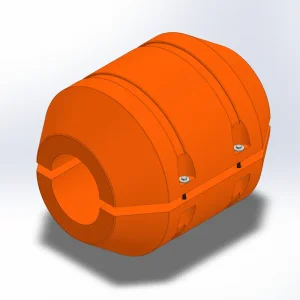 Custom Pipe Floats for Long-Distance Floating Pipelines and Water Transfer Systems Quotes, PricelistView Specifications
-
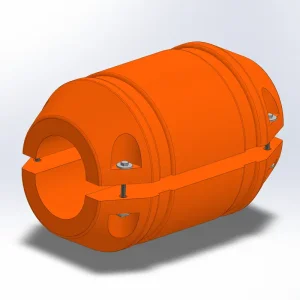 Custom Pipe Floats for Floating Pipeline Stability in Water Transfer and Industrial Projects Companies, FactoryView Specifications
-
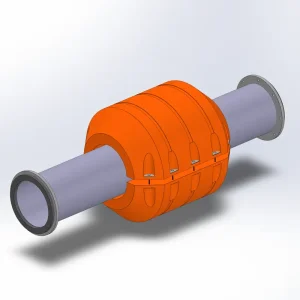 ODM High-Performance Floats for Efficient Pipeline Operations Manufacturers, ProductsView Specifications
-
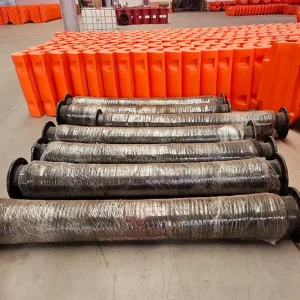 Custom Heavy-Duty Rubber Pipelines for Efficient Water and Slurry Transport Supplier, ProductsView Specifications
-
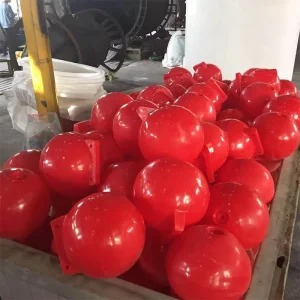 Best PE Float Ball – Durable Buoyancy Solution for Water Projects Products, QuotesView Specifications
-
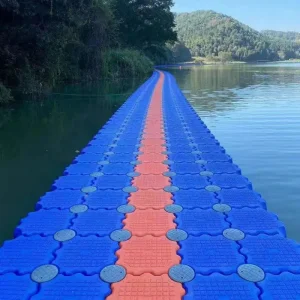 High-Quality Versatile Floating Boat Pontoon for Water Projects Products, CompanyView Specifications
-
 Custom Pipe Floats for Stable Pipeline Support and Reliable Floating Systems Quotes, FactoryView Specifications
-
ODM Mooring Buoy for Marina Berths, Vessel Anchorage and Offshore Mooring Systems Suppliers, ManufacturersView Specifications