
Featured Marine Pipeline & Offshore Flotation Units
Immediate engineering quotes available for high-density rotomolded polyethylene solutions serving marine mining, dredging, and deepwater tie-in projects.

High-Quality Reliable Marine Navigation Buoy for Safe Waterways Manufacturer, Product
Get Custom Quote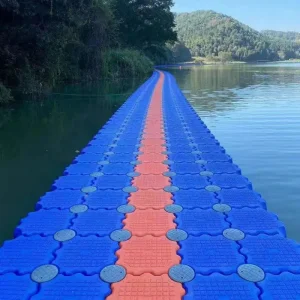
High-Quality Versatile Floating Boat Pontoon for Water Projects Products, Company
Get Custom Quote
Custom Custom Pipe Floats for Floating Water Pipeline and Marine Support Projects Suppliers, Manufacturers
Get Custom Quote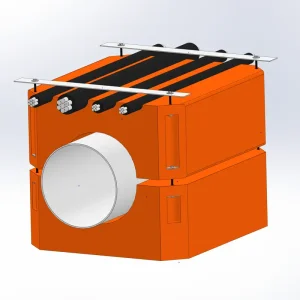
Best Advanced Pipe Floats with Cable Troughs – Reliable Floating Support for Marine and Industrial Pipelines Company, Quotes
Get Custom Quote
High-Quality Pipeline Float Tie-In – Modular Buoyancy Solution for Deepwater Pipelines Supplier, Pricelist
Get Custom Quote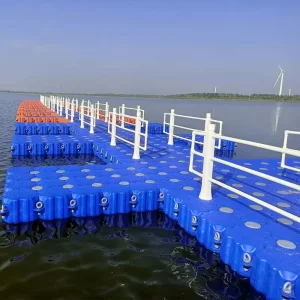
Custom Premium Floating Boat Pontoon for Safe and Stable Water Platforms Products, Quotes
Get Custom Quote
OEM Advanced Modular Pipe Floats with Integrated Cable Channels Manufacturer, Company
Get Custom Quote
Best Polyethylene Mooring Buoy – Reliable Floating Solutions for Modern Marine Projects Suppliers, Company
Get Custom QuoteEvolutionary Trends in Marine Pipeline Buoyancy Engineering
The offshore marine infrastructure and dredging industries are undergoing an unprecedented shift toward extreme environmental reliability, modular interchangeability, and low-lifecycle maintenance.
Shift from Steel Floats to Advanced Polymers
Legacy steel pontoons suffer from catastrophic galvanic corrosion, rapid coating breakdown, and explosive buoyancy loss upon puncture. High-density rotational molding with cross-linked LLDPE/HDPE offers complete saltwater resistance, superior energy absorption upon impact, and zero maintenance re-coating cycles over decades of operation.
Algorithmic Buoyancy & Dynamic Hydrodynamics
Modern dredging contracts demand high precision. Computational modeling accounts for slurry specific gravity changes (from 1.05 up to 1.85 t/m³ in heavy mineral sands), hydraulic surge pressures, and torsional wave fatigue, replacing crude rule-of-thumb estimates with predictive hydro-elastic simulations.
Sustainability & Closed-Loop Circularity
Global environmental standards require marine materials that eliminate microplastic shedding and hazardous leaching into sensitive estuaries. Virgin food-grade polyethylene combined with closed-cell polyurethane foam resists degradation under UV Class 8 exposure, remaining completely recyclable at end-of-life decommission.
Global Procurement Criteria: Evaluating Reliable Suppliers
Leading EPC contractors, port dredging syndicates, and mining conglomerates evaluate manufacturers across four non-negotiable engineering vectors.
Precision Wall-Thickness Control
Consistent structural integrity requires automated variable-frequency rotation and real-time multi-point thermal imaging during molding. This prevents internal stress concentrations and thin spots along high-stress ribs, ensuring maximum impact resilience when colliding with rocky channels or support barges.
Polyurethane Core Fusion & Density
Floats must incorporate fully hydrophobic, closed-cell polyurethane foam with a density rating of 32 to 38 kg/m³. Even in the event that an exterior shell is breached by external collision, water absorption remains restricted to the immediate fracture surface, guaranteeing uninterrupted operational buoyancy.
Standardized Flange & Fastener Hardware
Precision-engineered pipe floats feature recessed fastener wells configured for marine-grade hot-dip galvanized or AISI 316 stainless steel bolts. Integrated rubber torque-limiting gaskets prevent localized crushing of HDPE pipelines while resisting cyclic wave-induced loosening.
Engineering Sizing Standard: The Hydrodynamic Freeboard Rule
A fatal procurement oversight is sizing buoyancy based on the static weight of an empty pipe. Enterprise dredgers must calibrate according to: Total Float Net Buoyancy ≥ (W_pipe + W_slurry_max + W_hardware) × Margin (1.20 to 1.35). A minimum 25% diameter freeboard above the water line is necessary to prevent pipe submergence during emergency shut-offs and slurry settling.
| Nominal Pipe OD (mm) | Float Outer Diameter (mm) | Total Length (mm) | Wall Thickness (mm) | Net Buoyancy (kg / pair) | Primary Industrial Application |
|---|---|---|---|---|---|
| 110 mm - 160 mm | 300 mm - 500 mm | 800 mm - 1000 mm | 5.5 mm - 6.5 mm | 65 kg - 150 kg | Agricultural pumping, mine dewatering |
| 200 mm - 315 mm | 550 mm - 850 mm | 1000 mm - 1200 mm | 7.0 mm - 8.5 mm | 210 kg - 580 kg | River desilting, tailings slurry transfer |
| 355 mm - 560 mm | 900 mm - 1300 mm | 1200 mm - 1600 mm | 9.0 mm - 11.5 mm | 750 kg - 1,850 kg | Harbor navigation, capital coastal dredging |
| 630 mm - 900 mm | 1400 mm - 1800 mm | 1800 mm - 2200 mm | 12.0 mm - 14.5 mm | 2,300 kg - 5,400 kg | Deepwater land reclamation, high-volume sand |
| 1000 mm - 1200 mm | 2000 mm - 2400 mm | 2200 mm - 2600 mm | 15.0 mm - 18.0 mm | 6,200 kg - 11,500 kg | Mega port infrastructure, offshore tie-ins |
Macro Industry Solutions for Demanding Water Engineering
From inland reservoir management to harsh offshore environments, our systems are pre-engineered to overcome complex mechanical and environmental stresses.
Harbor & Capital Dredging Systems
Harbors present severe tidal variations and heavy vessel interference. High-visibility polyethylene dredging floats provide consistent hydrodynamic orientation, resisting collision shocks while keeping navigation paths safely clear when coupled with certified marine navigation buoys.
Mining Slurry & Tailings Transport
High mineral content, abrasive ores, and corrosive chemicals degrade inferior metals within months. Our floats with integrated cable troughs support electrical feed cables alongside heavy slurry pipelines across tailings ponds without tangling or localized fatigue.
Municipal Water & Reservoir Protection
Reservoir intakes require debris mitigation and steady intake pipelines. By pairing customized intake pipeline floats with perimeter floating trash barriers, municipal water operators protect filtration assemblies from logs, plastic waste, and silt curtains.
Localized Compliance, Quality Assurance & Warranty Framework
Rigorous multi-stage factory verification ensures reliable field performance across all international maritime and industrial jurisdictions.
Hydrostatic & Mechanical Testing
Every production batch undergoes drop-impact testing at -20°C, tension testing of integrated bolt receivers, and full submergence hydrostatic pressure testing to certify zero leakage and zero core shear failure under maximum working conditions.
Standardized Interchangeability
Molds engineered through high-precision CNC tooling ensure that replacement halves purchased years later integrate with in-service pipelines without binding, bolt offset, or non-uniform clamp pressure.
Clear Enterprise Warranty Protection
Our comprehensive operational warranty begins the date the buyer hands over goods to the primary operator and extends up to 18 months post-handover, or 12 months after installation, backed by full engineering documentation and technical support.
Technical Roadmap: The Future of Smart Marine Flotation
Integrating IoT telemetry and advanced composite engineering to meet the demands of autonomous marine projects and harsh offshore operations.
IoT Telemetry & Stress Monitoring
Development of embedded strain sensors and LoRaWAN buoyancy telemetry modules within the rotomolded body, tracking axial deflection, surge loads, and localized pipeline listing in real-time on offshore dredging pipelines.
Bio-Based Polyolefin Composites
Pioneering certified post-consumer recycled blends and bio-circular LLDPE resins that maintain high tensile strength and puncture toughness without sacrificing resistance to extreme UV exposure.
Self-Aligning Interlocking Geometries
Next-generation ball-and-socket interlocking end-profiles reduce axial slip along pipelines during heavy swells, distributing shear stress across adjacent buoyancy units and protecting pipe joints from excessive bending fatigue.
Frequently Asked Engineering & Procurement Questions
Clear answers to primary technical considerations from dredging engineers, procurement directors, and marine project managers.
What is the standard formula for calculating required pipeline buoyancy?
The required total buoyancy must exceed the aggregate weight of the pipe shell, the maximum density slurry medium, and connected hardware. Enterprise calculation mandates: Total Float Buoyancy ≥ (W_pipe + W_medium + W_hardware) × (1.20 to 1.30). This ensures a minimum of 25% of the pipe's outer diameter remains clearly elevated above the waterline to counteract wave actions.
Why is rotomolded polyethylene preferred over welded steel pontoons?
Unlike steel pontoons, UV-stabilized LLDPE does not corrode in marine environments, eliminating the need for periodic anti-corrosion coating. Polyethylene floats absorb wave impacts and physical collisions with support boats without denting or puncturing, and internal closed-cell polyurethane foam prevents loss of buoyancy even if an outer wall is damaged.
What engineering parameters are required to generate an accurate RFQ quote?
To deliver an engineered quote, please provide: 1) Exact pipe outer diameter (OD) and material (HDPE, steel, rubber); 2) Slurry density or specific gravity (t/m³); 3) Environmental exposure (wave height, river velocity, open ocean); 4) Integrated cable routing requirements; and 5) Project volume and destination port for shipping optimization.
How does the manufacturing process prevent float slippage along the pipe?
Our floats feature precision internal ribbed surfaces engineered to match standard HDPE and steel pipe tolerances. Combined with recessed marine-grade hot-dip galvanized fasteners and high-friction anti-slip rubber inserts, the clamp halves deliver steady holding power without excessive point loading on the pipe wall.
What is the standard warranty coverage on Juhua flotation products?
Standard enterprise warranty covers all manufacturing defects, premature polymer cracking, and environmental UV degradation. Coverage begins when the buyer formally hands over the installation to the project investor and extends up to 18 months post-handover or 12 months after installation, whichever occurs first.
Can custom dimensional specifications and cable troughs be accommodated?
Yes. In addition to our standardized tooling range spanning 110 mm through 1200 mm pipe diameters, our engineering team designs bespoke rotomolding tooling to accommodate specialized power conduit channels, monitoring wires, and extreme working diameters based on custom technical drawings.
Industrial Flotation, Hose & Heavy Marine Pontoon Range
Complete line of matched marine products engineered to meet operational requirements across ports, harbors, and dredging projects.
Best Pipe Floats for Stable Water Transfer and Marine Pipeline Support Supplier, Pricelist
Get Custom Quote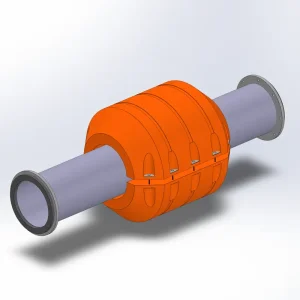
ODM High-Performance Floats for Efficient Pipeline Operations Manufacturers, Products
Get Custom Quote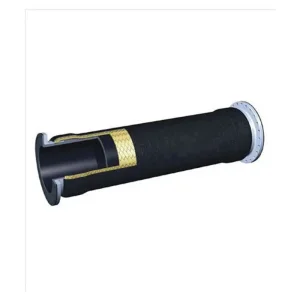
High-Quality Heavy-Duty Rubber Hose for Water and Marine Projects Supplier, Factories
Get Custom Quote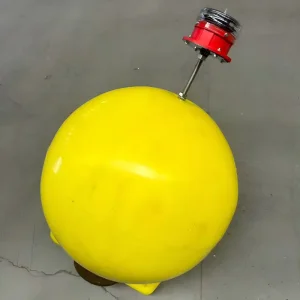
ODM High-Visibility Floating LED Ball for Marine and Freshwater Safety Manufacturers, Pricelist
Get Custom Quote
ODM Polyethylene Mooring Buoy for Harbors and Floating Facilities Manufacturers, Pricelist
Get Custom Quote
Custom Customizable Floating Pipe Supports with Cable Troughs Company, Pricelist
Get Custom Quote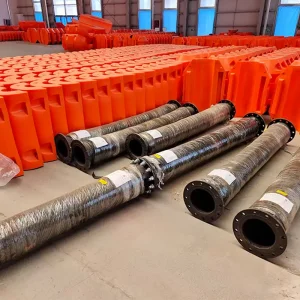
Custom Heavy-Duty Rubber Hose for Marine and Water Management Projects Suppliers, Manufacturers
Get Custom Quote