

Standard & Modular Flotation Systems (Batch I)
Industrial-grade polyethylene buoyancy products engineered for dredging, water intake protection, and offshore operational stability.

OEM Pipeline Float for Floating Pipeline Systems and Water Transfer Projects Manufacturers, Factories
View Specifications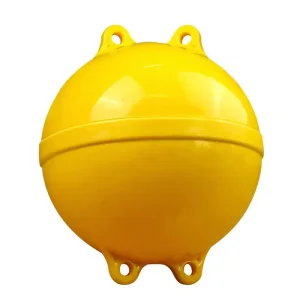
ODM ABS Float Ball for Reliable Marine and Freshwater Buoyancy Manufacturers, Factories
View Specifications
OEM Foam-Filled Mooring Buoy for Chain-Connected Berths Product, Companies
View Specifications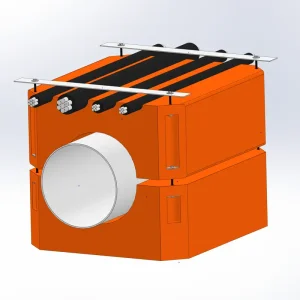
Custom Customizable Floating Pipe Supports with Cable Troughs Company, Pricelist
View Specifications
High-Quality Reliable Floating Barriers for Water Safety and Pollution Control Factory, Factories
View Specifications
Best Advanced Pipe Floats with Cable Troughs – Reliable Floating Support for Marine and Industrial Pipelines Company, Quotes
View Specifications
Best Polyethylene Mooring Buoy – Reliable Floating Solutions for Modern Marine Projects Suppliers, Company
View SpecificationsMacro-Industry Applications & Hydraulic Risk Mitigation
Engineered Trash Booms are critical infrastructural safeguards across hydroelectric schemes, municipal waterways, and industrial discharge zones.
Hydroelectric Dam Forebays
Intercepts timber, river silt, and surface biomass before it enters turbine trash racks, reducing downtime and costly manual cleanout operations during peak flood intervals.
Desalination & Cooling Intakes
Protects delicate pumping circuits from macroscopic seaweeds, plastic debris, and flotsam, maintaining balanced flow intake velocities and extending RO filter service life.
Municipal Stormwater Runoff
Placed at canal bottlenecks to trap urban macro-plastics and suspended packaging materials, facilitating automated skimming and keeping municipal estuaries compliant with EPA standards.
Harbor Security & Marine Demarcation
Combines buoyant perimeter security with warning color schemes (high-visibility marine yellow/orange) to delineate commercial navigation corridors from workboat zones.
Smart Factory 4.0: Flotation Manufacturing Precision
Combining rotational molding automation, multi-point thermal validation, and material sciences to guarantee zero-fail integrity in extreme marine climates.
Variable-Frequency Rotomolding
Computerized bi-axial rotation molds ensure continuous, seamless shell architecture. Wall thickness deviation is strictly confined within ±3% to resist structural buckling under high hydraulic shear.
Closed-Cell Polyurethane Infilling
High-density EPS or rigid polyurethane core injection ensures buoyancy preservation even if the outer high-grade PE casing suffers physical impact or puncture from floating timber or ice sheets.
Corrosion-Resistant Hardware Integration
Equipped with hot-dip galvanized or Marine Grade 316 Stainless Steel through-rods, swivel eyes, and connection shackles engineered to endure constant dynamic tidal tension and high fatigue stress.
Engineering Roadmap & Technological Outlook
Our ongoing technical development targets next-generation water containment challenges, extreme climate occurrences, and remote IoT real-time monitoring.
Phase 1: Nano-Reinforced Polymers
Integration of graphene-enhanced polyethylene masterbatches to improve surface abrasion resistance by 40%, maximizing boom longevity in abrasive dredge slurry routes.
Phase 2: Subsurface Turbidity Curtains
Developing interlocked ballast skirts equipped with geotextile filtration barriers that intercept microplastics and suspended sediments up to 10 meters beneath the waterline.
Phase 3: Smart IoT Load Tracking
Implanting wireless tensile tension sensors and solar beacons within mooring lines to transmit structural overload warnings directly to reservoir command centers.
Global EPC Procurement Standards & Sizing Methodology
Ensure hydraulic compliance through precise buoyancy calculation and environmental stress profiling.
Reserve Buoyancy Margin
Standard design calls for total boom buoyancy to exceed dry system load plus anticipated submerged debris loading by 120% to 150% to prevent submersion during high flow rates.
Hydraulic & Wind Loading
Finite element modeling of water current velocity (knots), tidal amplitude, and 100-year storm wave heights to determine anchor pullout loads and mooring chain calibers.
UV & Environmental Resistance
Compounded with high-grade UV stabilizers (UV8/UV12 rating) ensuring resin polymer chains maintain tensile ductility without brittle degradation under prolonged tropical sun exposure.
Localized Engineering Support & Compliance Assurance
Comprehensive turnkey engineering support from marine site evaluation to anchor layout CAD drafting.
Full CAD & Sizing Calculations
Engineering delivery packages include hydrodynamic load simulations, anchor tension calculation certificates, and modular layout schematics tailored to site-specific coordinates.
International Quality Certification
Manufacturing protocols comply with ISO 9001, ISO 14001, and marine safety quality inspections. Raw polymers undergo third-party melt index, tensile yield, and impact verification.
Direct On-Site Installation Guidance
Step-by-step modular installation guides, remote video commissioning with our chief marine engineer, and dispatch of specialized installation supervision teams for critical utility works.
Frequently Asked Technical Questions (FAQ)
Essential guidance covering hydrodynamic calculations, installation logistics, and polymer lifecycle durability.
What is the expected operating life of polyethylene trash booms in high-UV regions?
Our booms utilize high-density polyethylene compounded with hindered amine light stabilizers (HALS). In equatorial and high-UV marine locations, they consistently maintain tensile ductility and structural resilience exceeding 10 to 15 years.
How do you calculate necessary reserve buoyancy for heavy river desilting projects?
Total buoyancy must equal the dry weight of the boom chain plus accessories, multiplied by a safety factor of 1.25 to 1.30. When heavy vegetative debris or flood debris is expected, we configure buoyancy reserves to preserve a minimum 25% dry freeboard under maximum load.
Can the booms withstand fast-flowing flood currents and floating tree impacts?
Yes. The seamless rotomolded shell has an impact strength exceeding 20 kJ/m². Internal closed-cell polyurethane foam guarantees that puncture damage will not compromise overall buoyancy, and heavy-duty internal steel rods transfer tensile impact directly into anchor points.
What is your OEM warranty policy for international marine operations?
The standard warranty begins when the contractor hands over the project to the owner and covers 18 months post-handover or 12 months after completed commissioning, fully backed by factory-traceable batch numbers.
Advanced Marine Flotation & Subsea Systems (Batch II)
Heavy-duty floats, dredge lines, and high-buoyancy mooring floats configured for global port and infrastructure installations.

High-Quality Pipe Floats for Floating Pipeline Support and Water Transfer Product, Company
View Specifications
Custom Pipeline Float For Subsea Tie-In And Controlled Positioning Products, Quotes
View Specifications
High-Quality Pipe Floats for Water Transfer, Mining and Marine Pipeline Systems Manufacturer, Pricelist
View Specifications
High-Quality Durable Floats for Safe and Efficient Pipeline Support Manufacturers, Products
View Specifications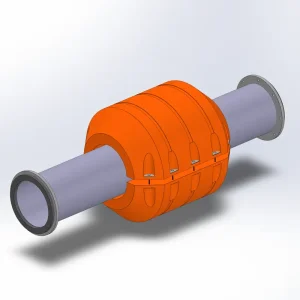
High-Quality Pipeline Float With Modular Buoyancy for Subsea Installation Manufacturers, Manufacturer
View Specifications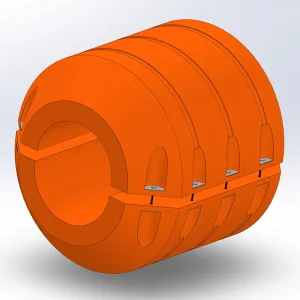
ODM High-Buoyancy Floats for Marine Projects Suppliers, Pricelist
View Specifications
OEM Pipe Floats For Reservoir Intake And Temporary Bypass Lines Quotes, Pricelist
View Specifications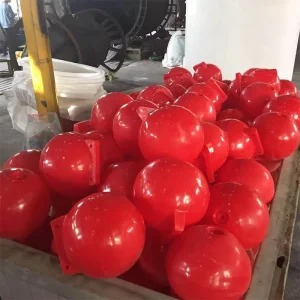
Best PE Float Ball – Durable Buoyancy Solution for Water Projects Products, Quotes
View SpecificationsConsult with an OEM Flotation Engineer
Send your pipe diameter, current speed, water profile, or tender specification sheet. Our engineering team prepares full CAD layouts and buoyancy analysis within 24 hours.
Direct Phone: +86-158-6665-7686
Email: [email protected]
Factory: West Industrial Park, Lizhuang Town, Huimin County, Binzhou, Shandong, China
Ready to specify custom booms or pipeline floats?
Request Engineering Proposal