Featured Marine Mooring Buoys & Flotation Assemblies
Heavy-duty, UV-stabilised virgin polyethylene float bodies engineered for zero seawater corrosion, high reserve displacement, and structural survivability in severe sea conditions.
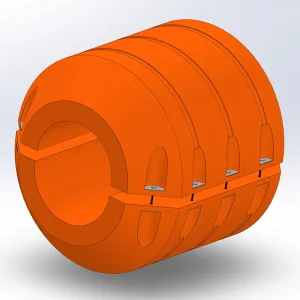
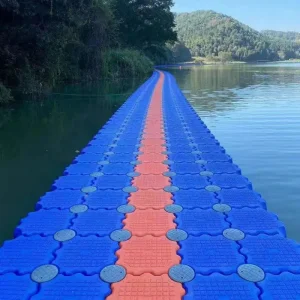



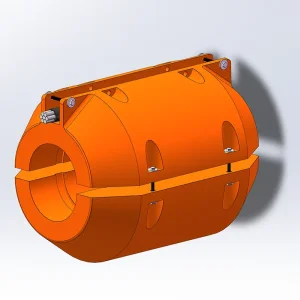

In the complex theater of maritime engineering, the global industrial demand for marine mooring systems has transitioned decisively from traditional steel-fabricated buoys toward advanced rotationally moulded Linear Low-Density Polyethylene (LLDPE) and High-Density Polyethylene (HDPE) polymer constructions. Steel buoys, long prone to micro-cracking, ballast chamber corrosion, catastrophic saltwater oxidation, and demanding costly bi-annual sandblasting and recoating, are rapidly being decommissioned in international deepwater commercial ports, commercial marinas, offshore aquaculture operations, and coastal engineering projects. As a world-class ODM Boat Mooring Buoy Supplier & Manufacturer, Shandong Binzhou Juhua Rubber & Plastic Co., Ltd. (Juhua / Giant Rubber) leads this material evolution through proprietary rotomolding formulations, variable-frequency speed temperature curing controls, and seamless mono-block mouldings engineered to withstand extreme cyclical tension, high-energy vessel impacts, and sustained UV degradation across 80+ maritime territories.
Macro Dynamics Driving the Maritime Mooring Ecosystem
Comprehensive analysis of commercial shipping expansions, offshore renewable energy integration, and stringent marine ecological regulations.
Material Decarbonisation
Global port authorities are mandated to curb maritime carbon emissions. Rotomolded PE buoys reduce cradle-to-grave carbon footprints by over 42% compared to welded steel counterparts due to reduced manufacturing energy and eliminating volatile anti-fouling paints.
CAPEX & OPEX Compression
Traditional marine buoys incur enormous lifecycle expenditures via periodic dry-dock repainting and hull descaling. Advanced closed-cell Polyurethane (PU) foam-filled PE buoys deliver up to a 20-year maintenance-free submerged service envelope.
Offshore Energy Proliferation
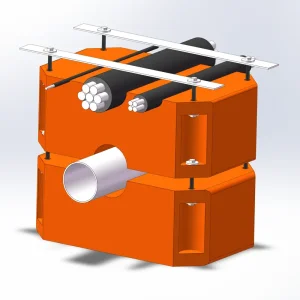
The global surge in floating offshore wind substructures, offshore green hydrogen hubs, and subsea interconnectors requires resilient mooring buoys capable of carrying dynamic umbilical cables and anchoring tensioned auxiliary support craft.
Structural Morphology & Hydrodynamic Design Integrity
How Juhua engineers rotomolded mooring buoys and pipeline flotation assemblies to eliminate catastrophic structural failure in high-stress offshore zones.
Hydrodynamic Buoyancy Calibration Formula
A critical error in dredging and mooring design is sizing flotation against static deadweight in calm freshwater. Marine installations encounter severe hydrodynamic drag, barnacle bio-accumulation, tidal surge, and slurry high-gravity density variations. We mandate a rigorous safety reserve calculation:
- Centrifugal Wall Uniformity: Computer-controlled automated biaxial rotation eliminates thin corners, guaranteeing uniform skin thickness (8mm to 22mm).
- EPS / High-Density PU Cores: Impervious closed-cell polyurethane foam injected at 35–45 kg/m³ prevents water ingress even if punctured by hull collisions.
- Hot-Dip Galvanised Central Tension Member: Heavy-gauge through-chain or welded steel core distributes tensile anchoring forces axially without stressing the outer polymer shell.
UV20+ Stabilisation
Compounded with premium hindered amine light stabilizers (HALS), resisting accelerated UV embrittlement under intense tropical marine exposure.
Modular Redundancy
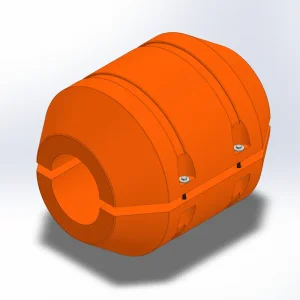
Multi-segment clamp-on pipe floats and mooring rings offer field interchangeability. Damaged halves can be hot-swapped without dismantling lines.
High Impact Elasticity
Unlike rigid brittle steel or fiberglass, ductile polyethylene exhibits ductile memory, flexing under hard vessel berthing and recovering its shape instantly.
Radar & Visual Conspicuity
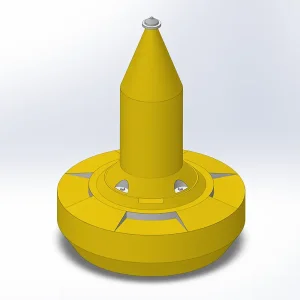
Colorfast pigmentation conforming to IALA color standards (yellow, red, green, black) with integrated internal radar reflectors and topmark options.
Application Scenarios Tailored to Regional Coastal Realities
From the freezing waters of Northern Europe to high-salinity Middle Eastern waters, Juhua mooring buoys and flotation modules maintain structural resilience.
Commercial Marinas & Ports
High-density vessel berthing requires mooring buoys with resilient bumpers to prevent cosmetic hull gouging on mega-yachts and commercial tugs. Custom through-chain anchor eyes withstand dynamic shock loads up to 450 kN without point fracture.
Mining Tailings & Slurry Transport
Gold, nickel, and copper mining operations in South America and Western Australia float aggressive slurry pipelines across tailings storage facilities (TSF). Heavy-duty clamp floats resist acidic pH, abrasive slimes, and toxic chemistries.
Offshore Aquaculture Infrastructure
Modern open-ocean salmon and sea-bass containment cages depend on high-buoyancy perimeter mooring floats to maintain grid tension during severe typhoons and storm surges, ensuring net enclosures maintain geometric clearance.
Capital Dredging & Land Reclamation
Cutter suction dredgers transferring heavy quartz sand for artificial island construction demand durable pipeline floats and anchor-marking pick-up buoys with ultra-stable freeboard to withstand relentless pounding from wake waves.
Hydro Dam Intakes & Debris Booms
Hydroelectric power installations rely on heavy-duty linked floating barriers and mooring tensioners to redirect riverine debris, invasive hyacinth, and surface trash before turbine penstocks become fouled, ensuring uninterrupted megawatt output.
Offshore Energy & Umbilical Protection
Subsea tie-in projects utilize custom pipeline floats and tethered mooring buoys equipped with dedicated cable troughs to secure dynamic power cables, hydraulic umbilicals, and fiber-optic telemetry conduits without micro-bending failure.
Next-Generation Mooring Technology & Smart Marine Buoys
Anticipating the technological demands of autonomous maritime traffic and real-time environmental monitoring over the next decade.
Smart IoT Telemetry Integration
Embedding integrated load cells, acoustic wave sensors, and GPS transponders directly into the rotomolded hull. Real-time tension data on anchor lines prevents accidental breakaways in high-seas weather.
Bio-Circular Polymer Compounding
Development of ocean-recycled marine polymers and bio-attributed LLDPE matrices yielding 100% mechanical ductility with a net-zero lifecycle carbon index for environmentally sensitive national sanctuaries.
Solar Harvesting & Self-Powering
Flexible thin-film solar photovoltaics embedded into the buoy shell powering continuous IALA marine LED lanterns, AIS (Automatic Identification System) transceivers, and oceanographic data modems.
End-to-End ODM / OEM Technical Specifications
Avoid costly procurement rework: provide these key design metrics directly to our engineering desk for immediate buoyancy and ballast simulations.
From 110mm up to 1200mm+ HDPE/steel pipelines.
Crucial for calculating true working submerged displacement.
Riverine current, reservoir, open-ocean port, or offshore swell.
Target freeboard safety elevation above surface (typical 25% min).
Hot-dip galvanised 8.8 grade or 316 marine stainless steel.
Daymarks, reflective banding, topmarks, and lantern integration.
Frequently Asked Questions by Marine Engineers & Port Contractors
Clear, unvarnished technical answers regarding rotomolded polyethylene performance, safety, and warranties.
What are pipeline floats, and what is their operational function?
Pipeline floats, also referred to across dredging and maritime industries as dredge floats or buoyancy modules, are modular clamp-on polyethylene bodies engineered to surround floating slurry, water, or oil transfer pipes. Their principal role is to maintain precise buoyant equilibrium, prevent submarine drag, preserve pipeline alignment, and provide high-visibility markers to coastal surface vessels.
How do you accurately calculate the required float units and buoyancy reserve?
Total buoyancy must strictly exceed the gross aggregated weight of the pipe itself, its internal working medium (taking into account peak slurry specific gravities that often exceed 1.4 t/m³), plus joint flanges and steel hardware. Standard naval engineering protocol mandates a minimum 20% to 30% reserve buoyancy margin (with 50% recommended in violent surf zones) so that roughly 25% of the pipe diameter remains visible above the calm waterline.
Why is rotomolded polyethylene superior to welded steel for offshore buoys?
Polyethylene is completely chemically inert in saltwater, making it 100% immune to galvanic, pitting, and crevice corrosion. Unlike welded steel buoys, which rust internally, crack under weld-fatigue, and require recurring dock overhauls, high-impact PE hulls deform elastically under blunt vessel impacts, do not degrade in heavy UV, and eliminate marine fouling through slick non-polar surface dynamics.
What is the official international manufacturer warranty policy?
The standard warranty period initiates on the exact date the buyer delivers and hands over the installed equipment to the ultimate investor or port authority, concluding 18 months following that handover date, or 12 months after the final installation sign-off date—whichever milestone transpires first.
Can buoy geometry, internal ballast, and colors be fully customized via ODM?
Yes. As a comprehensive ODM / OEM manufacturer, Juhua builds custom steel tooling dies and molds from technical drawings. Internal structural channels can integrate cable troughs, internal counterweights, through-chains, or pad-eyes, while colors are custom-blended to client specifications and IALA guidelines.
Commercial Waterways & Subsea Flotation Infrastructure
Explore our heavy-duty marine buoys, subsea tie-in platforms, and pipeline supports ready for global project export.