
Specialized Marine Buoyancy & Waterway Barriers
Engineered for extreme hydrodynamic loads, subsea pipeline stabilization, and harsh open-water environments.

High-Quality Durable Floating Barriers for Water Protection Projects Product, Pricelist
Request Tech Specs
ODM Deepwater Pipeline Support Floats – Reliable Subsea Buoyancy Solutions Manufacturer, Companies
Request Tech Specs
ODM Floating Barrier Systems for Water Safety and Project Efficiency Manufacturer, Company
Request Tech Specs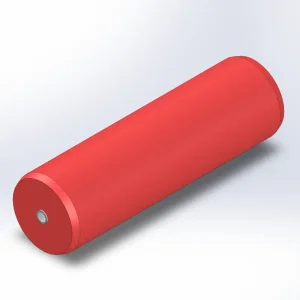
Best Reliable Floating Barriers for Marine and Industrial Protection Supplier, Factory
Request Tech Specs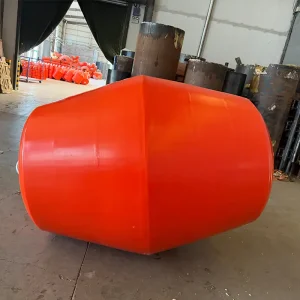
Best Foam-Filled Polyethylene Mooring Buoy for Reliable Marine Anchoring Supplier, Suppliers
Request Tech Specs
OEM Foam-Filled Mooring Buoy for Chain-Connected Berths Product, Companies
Request Tech Specs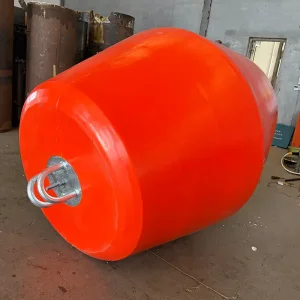
High-Quality Mooring Buoy For Aquaculture Grids And Floating Marine Platforms Pricelist, Factories
Request Tech Specs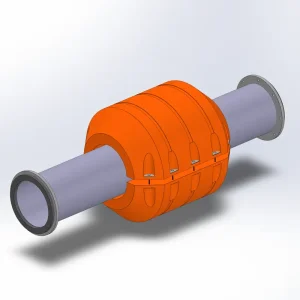
ODM High-Performance Floats for Efficient Pipeline Operations Manufacturers, Products
Request Tech SpecsWhy Global EPC Projects Rely on China's Rotomolding Hub
Strategic supply chain integration, advanced raw polymer synthesis, and precision rotational molding automation deliver exceptional buoyancy integrity at competitive scale.
Shandong Polymer Cluster Synergy
Located in Lizhuang Town, Huimin County, Binzhou City, our facility leverages the world’s most concentrated polyolefin petrochemical corridor. Direct bulk resin pipelines lower raw material transport volatility, ensuring continuous access to custom polymer compounds with specialized environmental stress crack resistance (ESCR).
Digital Temperature Control Rotomolding
Utilizing dual-axis multi-directional rotating carousels governed by automated electronic thermocouple indexing, we ensure polymer flow viscosity remains uniform throughout the mold boundary. This eliminates thin-wall stress concentrators and guarantees tensile elongation exceeding 400% under severe cyclic wave slamming.
High-Density Closed-Cell Core Infill
Internal cavities are pressure-injected with hydrofluoroolefin-blown rigid polyurethane (PU) or expanded polystyrene (EPS) matrices (32–45 kg/m³ density). This guarantees that even in the unlikely event of external skin rupture through vessel impact, water ingress is limited to less than 1.5% by volume.
The Next Era of Offshore & Inland Floating Infrastructure
From decarbonization to climate-resilient waterways, floating modular architectures are replacing rigid concrete and steel systems.
Floating Solar (FPV) Integration
Rapid growth in reservoir and hydro-solar hybrid installations requires specialized HDPE platforms that resist continuous 25-year UV degradation while maintaining non-leaching chemical profiles in drinking water basins.
Deepsea Aquaculture Expansion
Moving fish farming grids from protected fjords to high-energy open-ocean environments demands heavy-duty mooring buoys and articulated floating collars capable of dissipating multi-axis fatigue loads.
Mining Tailings Slurry Transport
Stricter environmental tailing containment standards mandate robust floating pipelines with dedicated cable troughs to power subsea sensors, remote shutoff values, and telemetry pumps across tailing ponds.
Circular Closed-Loop Polymers
Zero-microplastic fragmentation goals demand low-creep virgin PE resins and fully recyclable end-of-life platform structures that meet strict European and North American marine environmental regulations.
Precision Buoyancy Calculations for Working Marine Platforms
Underestimating dynamic displacement under live slurry loads is the leading cause of floating pipeline submergence and mooring link fatigue. Our engineering division enforces a strict safety factor (SF 1.25 – 1.35) applied to combined working gravity vectors:
B_net = [ W_pipe + ( π × (ID/2)² × ρ_slurry ) + W_fittings + W_cable ] × SF_dynamic
Where ρ_slurry ranges from 1.15 to 1.65 t/m³ for iron ore and dredging discharge.
- Freeboard Maintenance: Minimum 25% to 30% pipe diameter preserved above the nominal sea surface to avoid dynamic surf swamping.
- Subsurface Vortex Shedding: Streamlined hydro-profile minimizes cross-current drag forces, lowering anchoring line tension by up to 34%.
- Galvanized Hardware Specs: Grade 8.8 hot-dip galvanized or SS316 fasteners with locknuts to resist sustained salt spray vibration.
Technical Specification Matrix
Engineered Buoyancy in Challenging Global Waterways
Tested across diverse oceanic, coastal, and inland projects worldwide.
Mega-Port Capital Dredging
During harbor deepening programs in the Middle East and Southeast Asia, our pipeline floats support DN800 and DN1000 discharge pipelines delivering coral sand to reclamation zones. Resistant to 50°C ambient surface heat and saline exposure, our units maintain zero deformation under constant cyclical pump pressure.
Hydroelectric Reservoir Debris Defense
Interconnected floating barrier units with heavy-duty underwater wire screens intercept thousands of tons of driftwood, floating vegetation, and plastic trash ahead of turbine intakes. This safeguards multi-billion-dollar power turbines without interrupting discharge flows.
Offshore Aquaculture Mooring Grids
Supplying robust, high-buoyancy mooring buoys with center-through hawse pipes and polyurethane internal buffers. Deployed across deepwater tuna and salmon pens off the coast of South America and Northern Europe to secure anchoring tension through storm surges.
Streamlined Procurement & Logistics for International Buyers
Clear, predictable costing models tailored to reduce landed freight expenses.
Container Nesting & Freight Optimization
Float modules are designed with stackable interlocking geometries, enabling maximum packing density inside standard 40-foot High Cube (40HC) ocean shipping containers. This design reduces volumetric freight overheads by up to 28% per metric ton of net buoyancy.
Comprehensive Quality Certification
Each production run is delivered with certified material test reports (MTR), raw polymer melt flow index (MFI) verifications, wall-thickness ultrasonic logs, and buoyancy immersion test reports conforming to ISO 9001, ISO 14001, and marine project requirements.
Turnkey Rapid Tooling & Mold Prototyping
Our dedicated in-house CNC mold tooling workshop manufactures custom rotational casting molds in 15 to 25 business days. This enables rapid customization for unusual pipe outer diameters, integrated sensor recesses, or bespoke mooring anchors.
Frequently Asked Questions: Buoyancy & Platform Systems
Key technical inquiries from dredging superintendents, marine civil engineers, and EPC procurement managers.
How do rotomolded PE floats compare against welded steel pontoons?
Polyethylene floats eliminate seawater corrosion, requiring zero sacrificial zinc anodes or toxic anti-fouling coatings. PE absorbs marine impacts elastically without permanent denting, significantly lowering maintenance over a 15-year lifecycle.
What raw parameters are required for an accurate ODM flotation quote?
Please provide pipe outer diameter (OD), pipe wall thickness and material, slurry fluid density, target freeboard percentage, tidal wave height specifications, and the project's delivery seaport.
How does polyurethane (PU) foam inside the float body behave under puncture?
We use high-density closed-cell PU foam (≥92% closed cells). If the external HDPE skin is breached by heavy debris or propeller impact, the foam core blocks water progression, keeping overall loss of buoyancy below 2%.
What is the standard warranty and life expectancy of Juhua marine floats?
Our standard industrial warranty covers 18 months from customer handover or 12 months from final project commissioning. Due to UV8 to UV15 stabilization packages, real-world service life typically exceeds 10 to 15 years.
Can floats integrate internal passages for power and telemetry cables?
Yes. We manufacture floats with molded-in top or side troughs that allow safe routing of high-voltage power conduits, hydraulic lines, and fiber-optic data feeds across active floating pipelines.
How are pipeline floats secured to avoid slippage along the pipe axis?
Units feature molded non-slip internal contact ribs sized to the pipe outer diameter. For dynamic lines subject to surge, we supply specialized rubber grip inserts and reinforced clamping collars to secure position.
Specialized Pontoons, Maritime Buoys & Vessels
High-performance rotomolded assemblies for workboat docking, water storage, and navigational routing.

High-Quality Robust Floating Boat Pontoon for Safe and Flexible Water Platforms Product, Factories
Request Tech Specs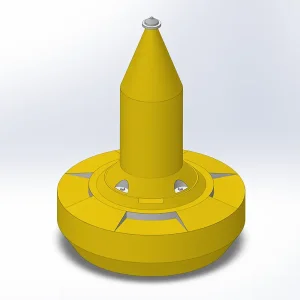
Custom High-Performance Marine Buoys for Safe and Efficient Waterways Manufacturers, Pricelist
Request Tech Specs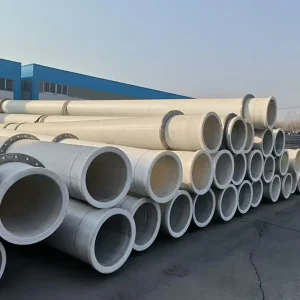
ODM Industrial-Strength Pipeline for Efficient Fluid and Material Transport Supplier, Quotes
Request Tech Specs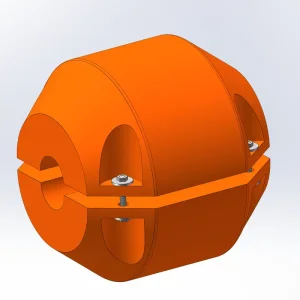
ODM Pipe Floats for Pump Discharge and Water Transfer Lines Manufacturers, Company
Request Tech Specs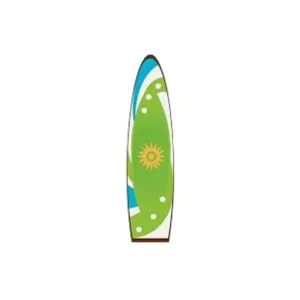
ODM Rotomolded Surfboard – Durable, Safe, and Low-Maintenance Water Sports Solution Manufacturers, Pricelist
Request Tech Specs
OEM Heavy-Duty Pipeline Float for Stable Floating Pipeline Systems Company, Factory
Request Tech Specs
ODM Ocean-Grade Navigation Buoys for Safe Maritime Operations Products, Factory
Request Tech Specs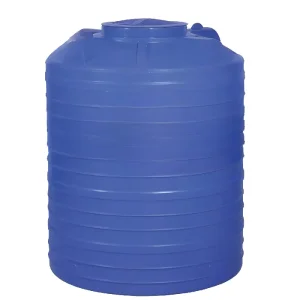
Custom Polyethylene Rotomolded Water Storage Tank – Durable and Safe Liquid Storage Solution Supplier, Factories
Request Tech SpecsNeed Custom Buoyancy Calculations or Tooling Drawings?
Our application engineering team provides free buoyancy assessments, dynamic load evaluations, and container nesting estimates within 24 hours.